Wildlife Biologist
A wildlife biologist studies the origins, behavior, diseases, genetics, and life processes of animals and wildlife. Some professionals specialize in wildlife research and management, including the collection and analysis of biological data, to determine the environmental effects of present and potential use of land and water areas.
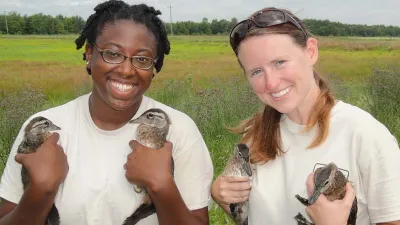
A Day in the Job
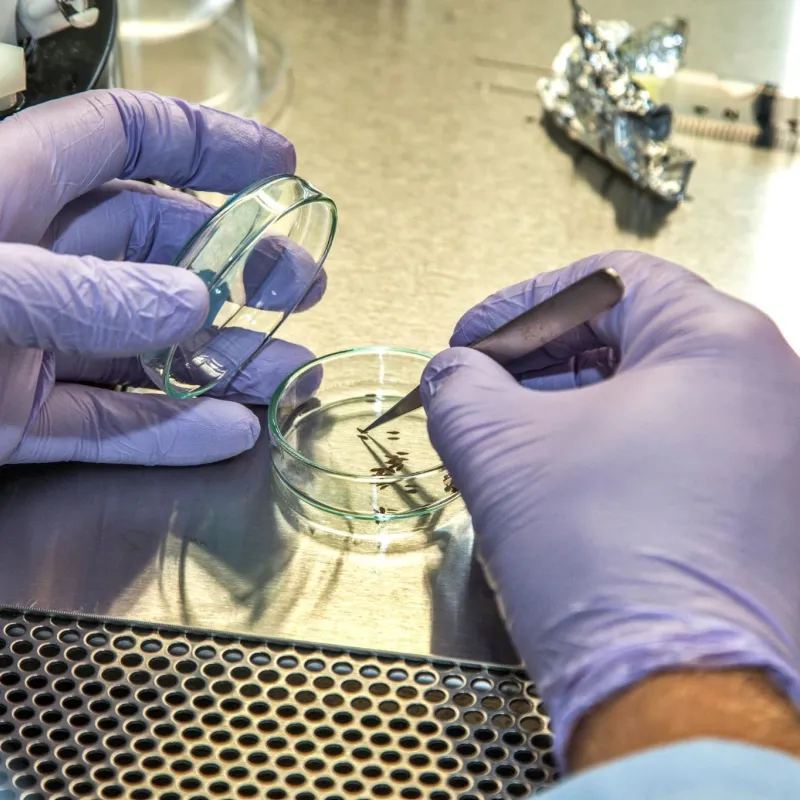
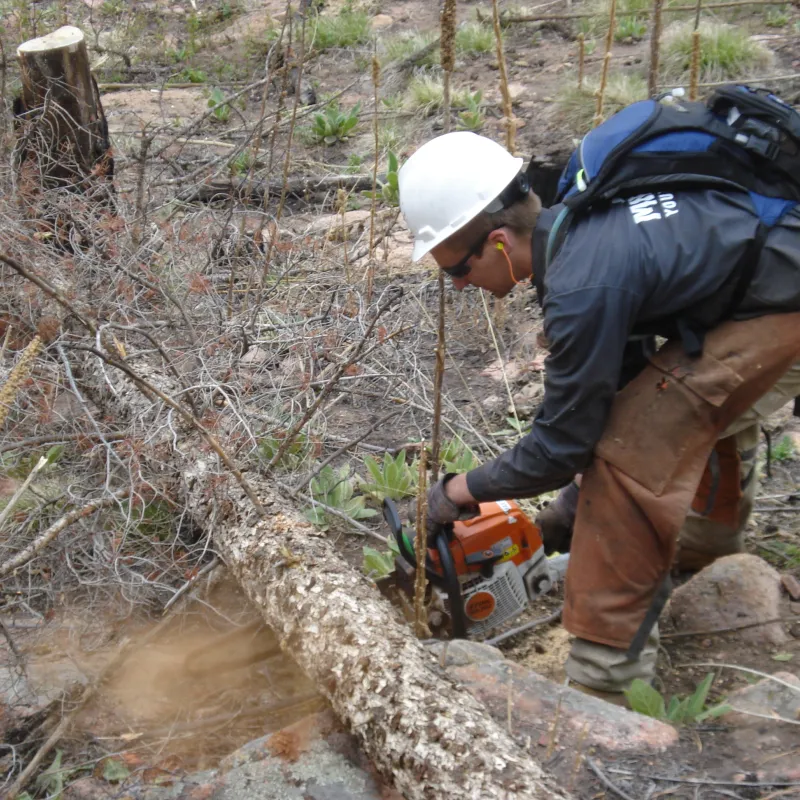
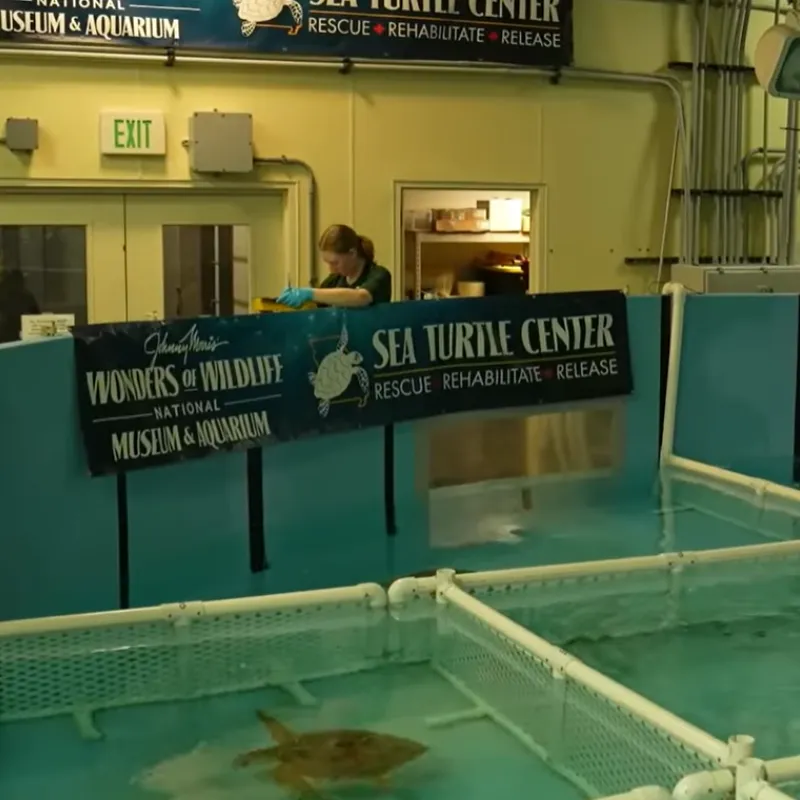
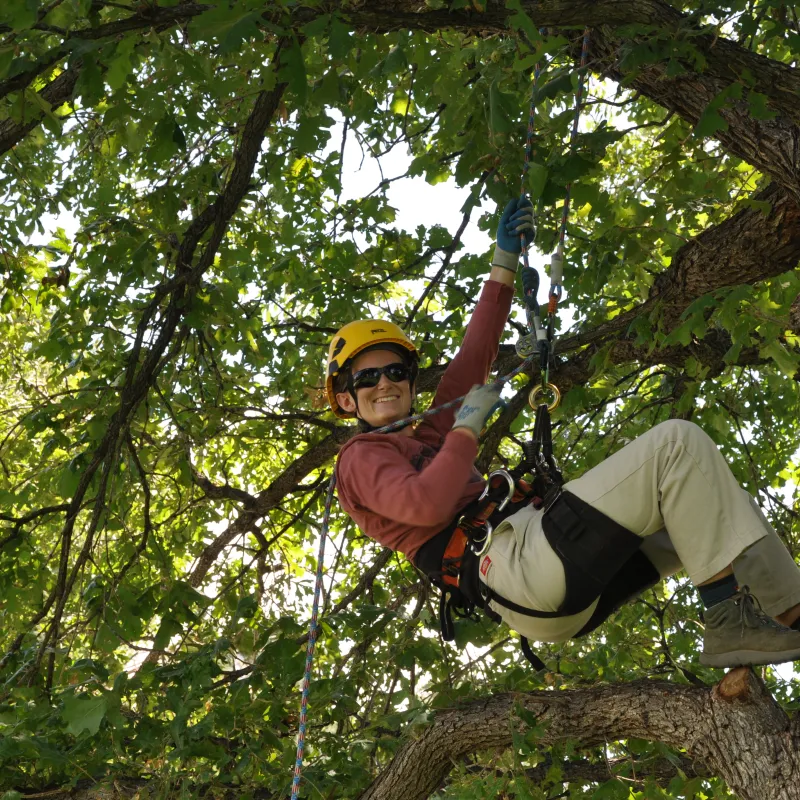
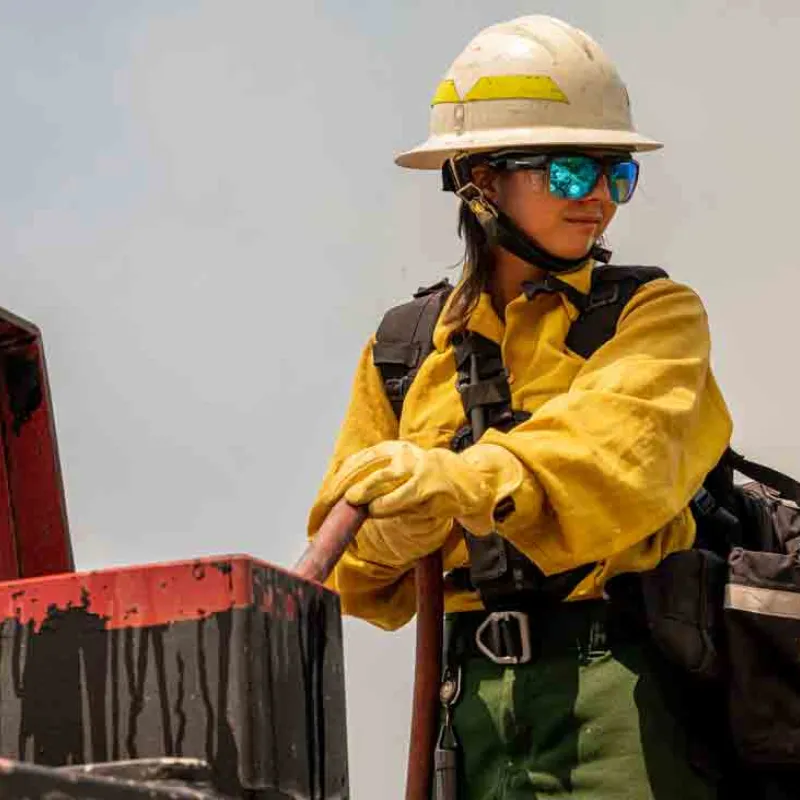
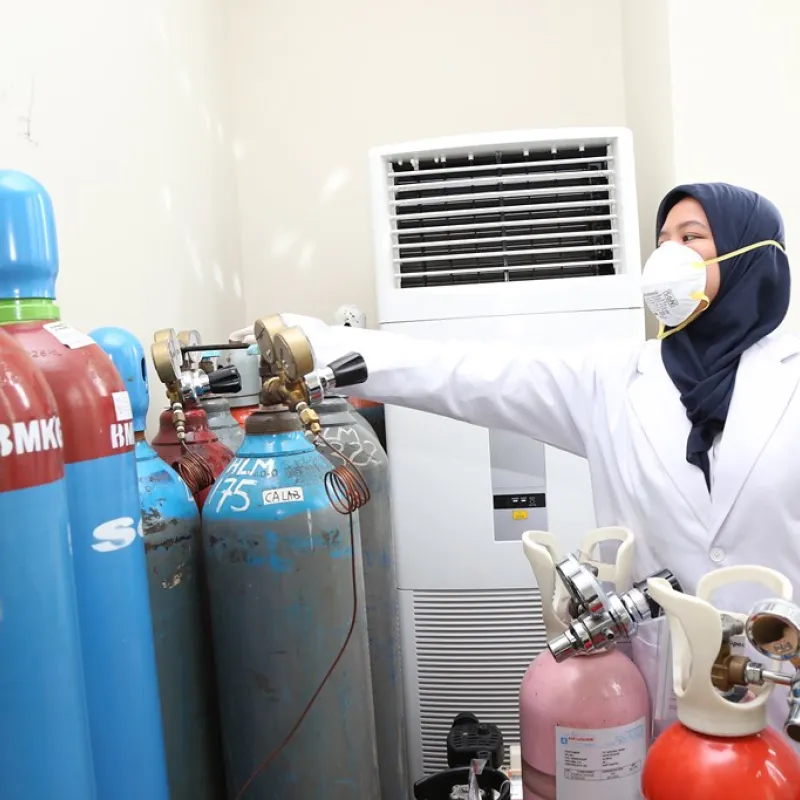
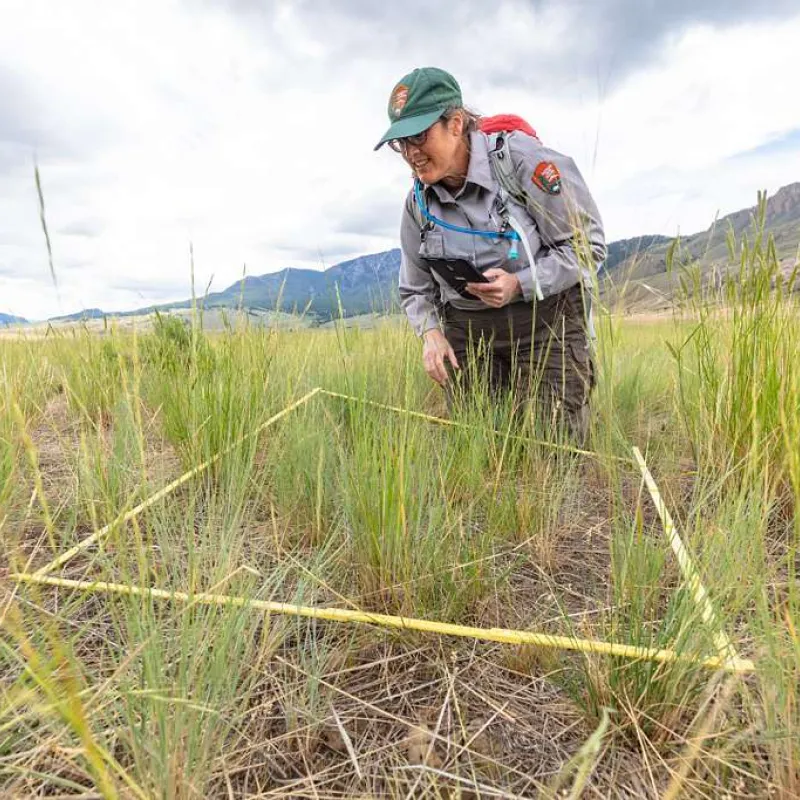
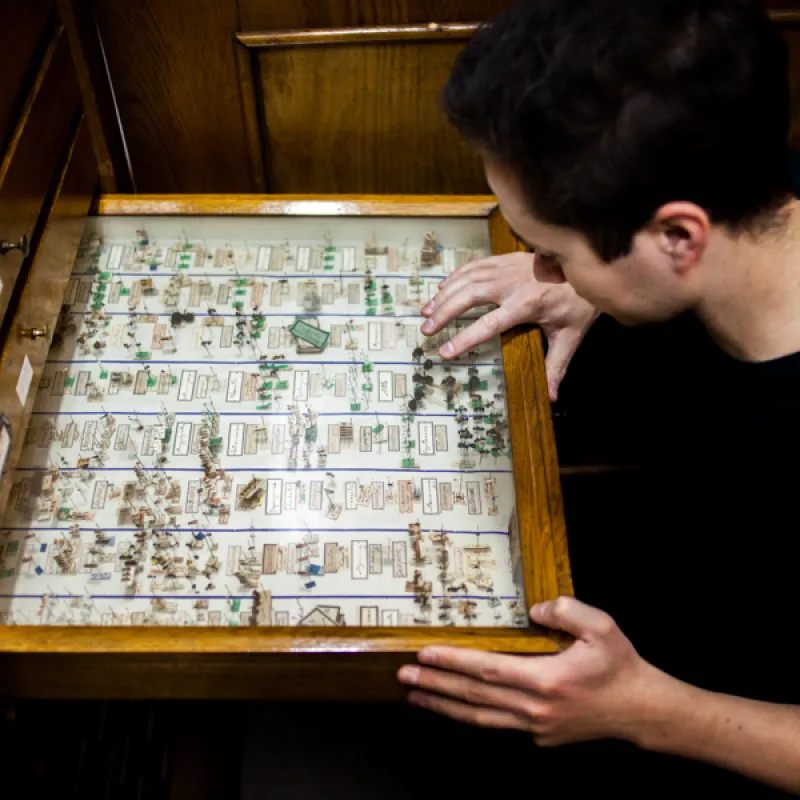
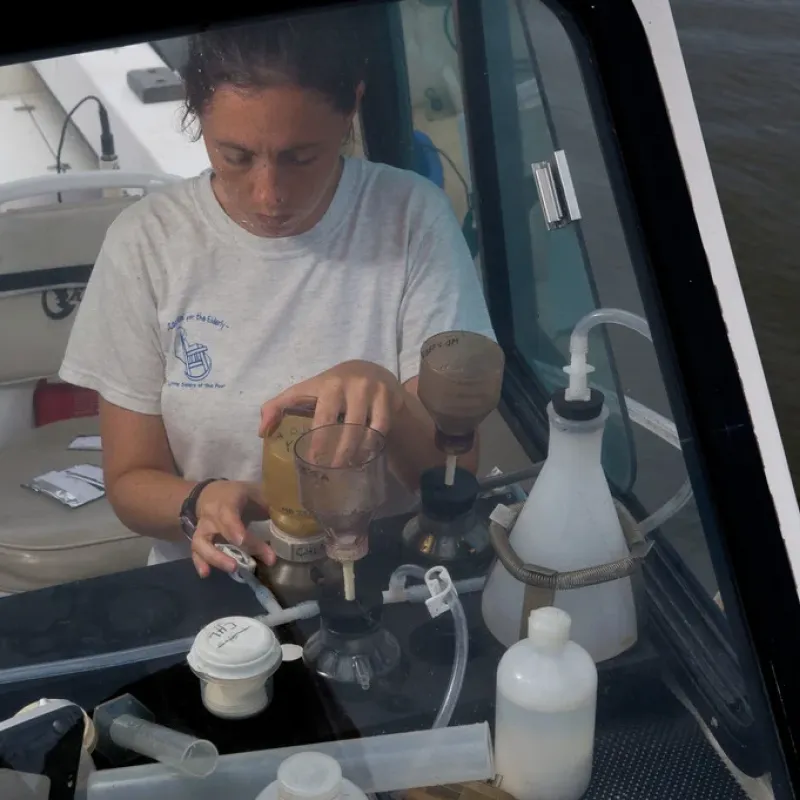
Each day as a wildlife biologist is different. Some days a wildlife biologist may be in the field studying animals in their natural habitats, conducting inventories or estimates of plant and wildlife populations, or assessing the effects of environment and industry. Other wildlife biologists may spend their days organizing and conducting experimental studies with live animals in a lab or
preparing collections of preserved specimens or microscopic slides for species identification and the study of development or disease.
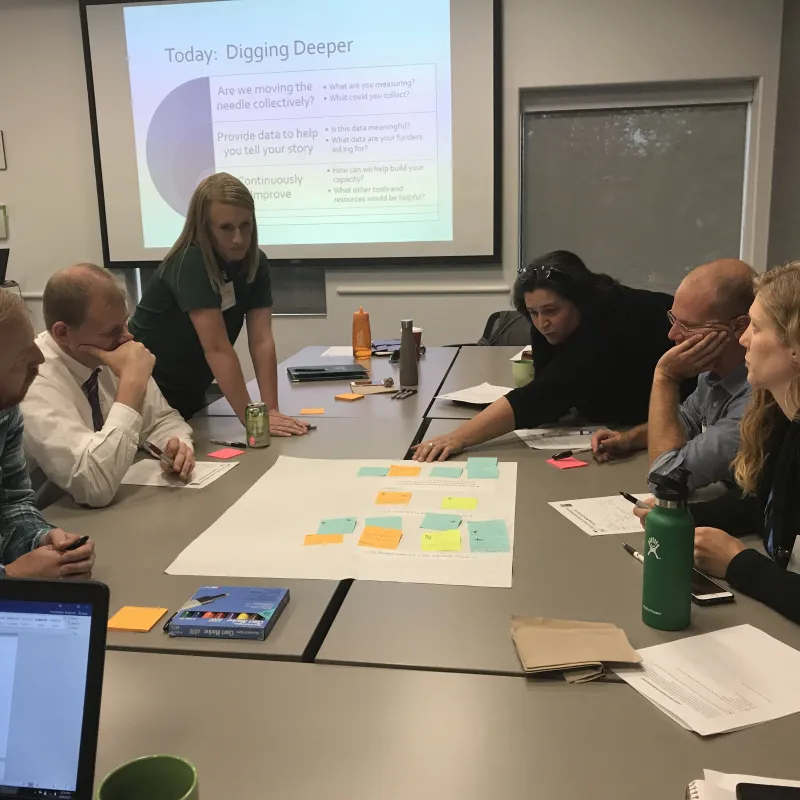
Other days, a wildlife biologist may be in meetings with other natural resource professionals to discuss the results of this research and make decisions about management systems, plan for wildlife populations and habitat, and coordinate preventative programs to control the outbreak of wildlife diseases.
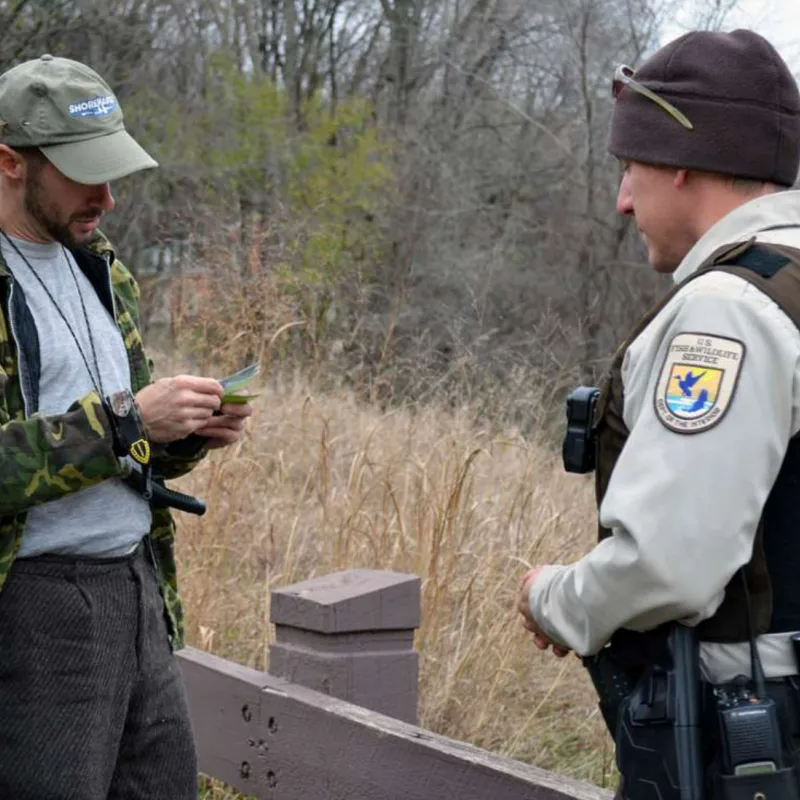
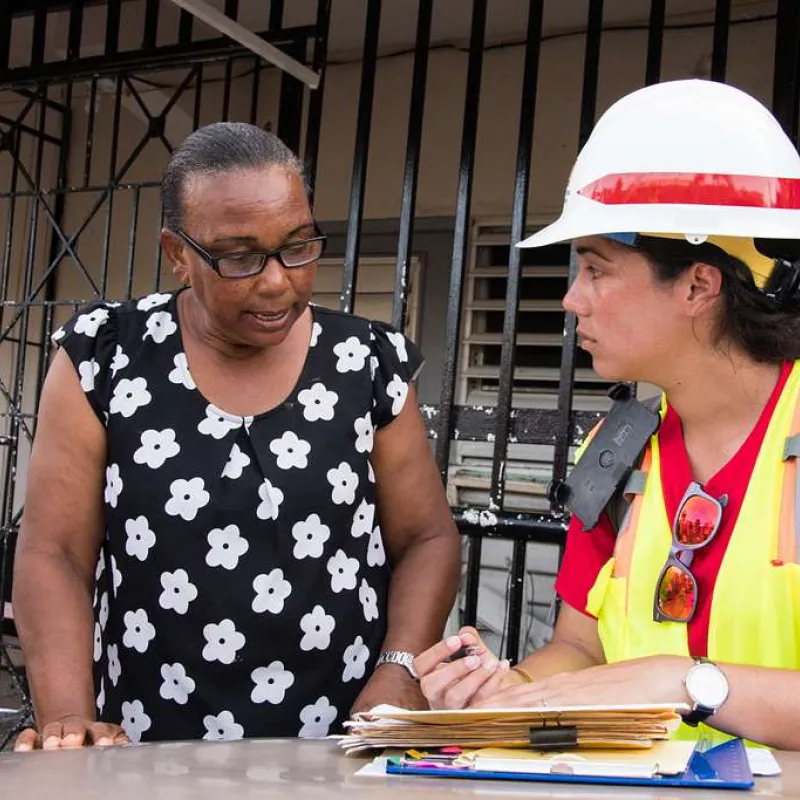
Finally, on other days a wildlife biologist may spend his/her time consulting with stakeholders, disseminating information to the public through written materials and interpretive programs, and responding to the public regarding wildlife and conservation issues, such as plant identification, hunting ordinances, and nuisance wildlife.
Work Takes Place
Skills
Career Categories
Protecting the Natural World Investigating the Environment
Potential Employers
Federal government agencies such as the U.S. Fish and Wildlife Service, National Park Service and U.S. Forest Service
State wildlife agencies
A Day in the Life
Meet a Aquatic Special Recovery Coordinator
Trevor Starks, Aquatic Species Recovery Coordinator for the Kansas Department of Wildlife & Parks, shares how a college summer job studying fish completely changed his career path and led him into the world of aquatic conservation. Learn more about Trevor's career journey and what it's like to be an Aquatic Species Recovery Coordinator in his presentation at the Green Pathways: Careers That Matter event in 2026.
Related Blog Posts
Related Opportunities
Barr Lake State park
Brighton, CO
Connecting People with Nature
Recreational Experiences, Stewardship Experiences, Summer Camps, Volunteer Positions, Paid internships, Seasonal Jobs
Bird Conservancy of the Rockies
Brighton, CO
Protecting the Natural World, Investigating the Environment
Summer Camps, Volunteer Positions, Unpaid Internships, Seasonal Jobs, Full-time Jobs
Bluff Lake Nature Center
Denver, CO
Protecting the Natural World, Connecting People with Nature, Investigating the Environment
Learning Experiences, Stewardship Experiences, Summer Camps, Volunteer Positions, Unpaid Internships, Paid internships, Seasonal Jobs
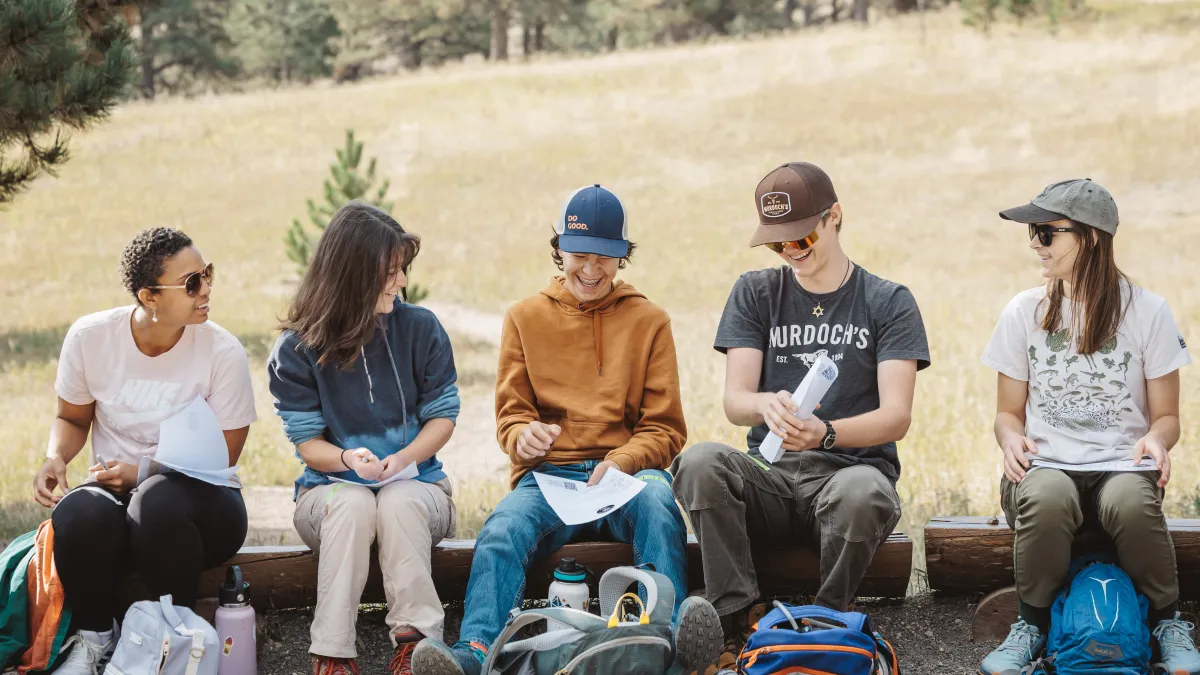
Cal-Wood Education Center
Jamestown, CO
Protecting the Natural World, Connecting People with Nature, Investigating the Environment
Seal of Climate Literacy Project, Learning Experiences, Stewardship Experiences, Summer Camps, Volunteer Positions, Seasonal Jobs, Part-time Jobs, Full-time Jobs
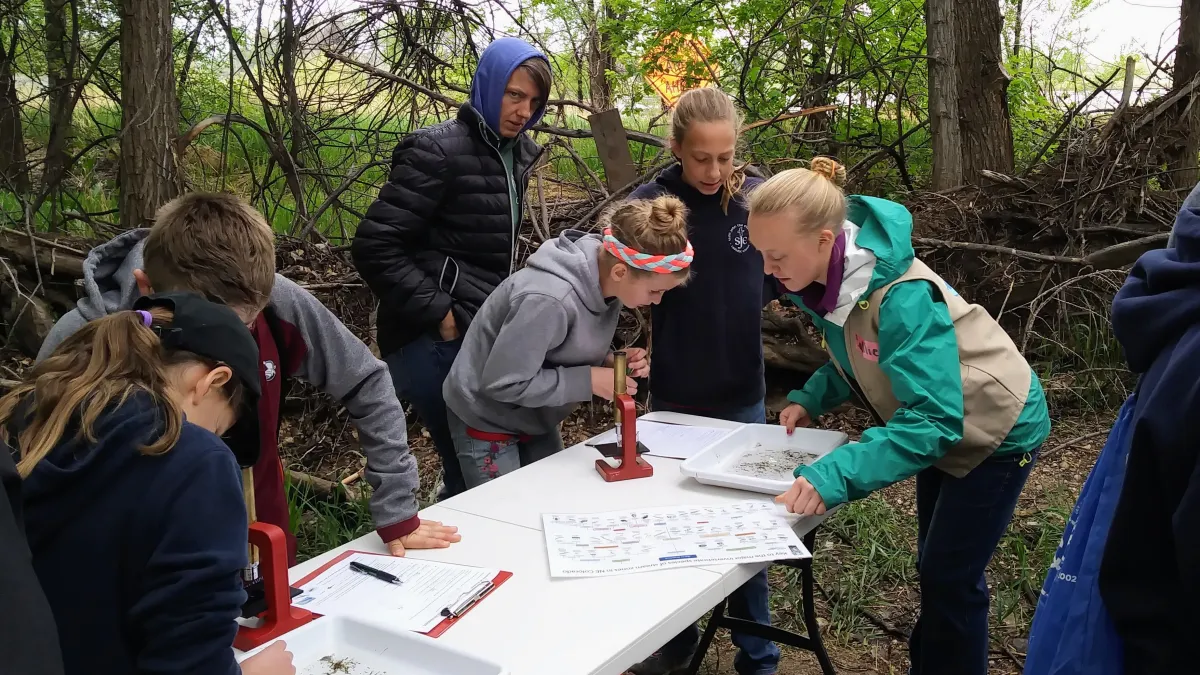
City of Loveland Open Lands and Trails
Loveland, CO
Protecting the Natural World, Connecting People with Nature
Stewardship Experiences, Volunteer Positions, Unpaid Internships, Seasonal Jobs
City of Loveland Parks & Recreation
Loveland, CO
Protecting the Natural World, Connecting People with Nature, Investigating the Environment
Recreational Experiences, Stewardship Experiences, Volunteer Positions, Unpaid Internships
Colorado Department of Natural Resources
DENVER, CO
Protecting the Natural World, Connecting People with Nature, Investigating the Environment, Designing & Building Sustainably
Volunteer Positions, Seasonal Jobs
Colorado Parks and Wildlife
Denver, CO
Protecting the Natural World, Connecting People with Nature, Investigating the Environment
Recreational Experiences, Stewardship Experiences, Volunteer Positions, Paid internships, Seasonal Jobs, Part-time Jobs, Full-time Jobs
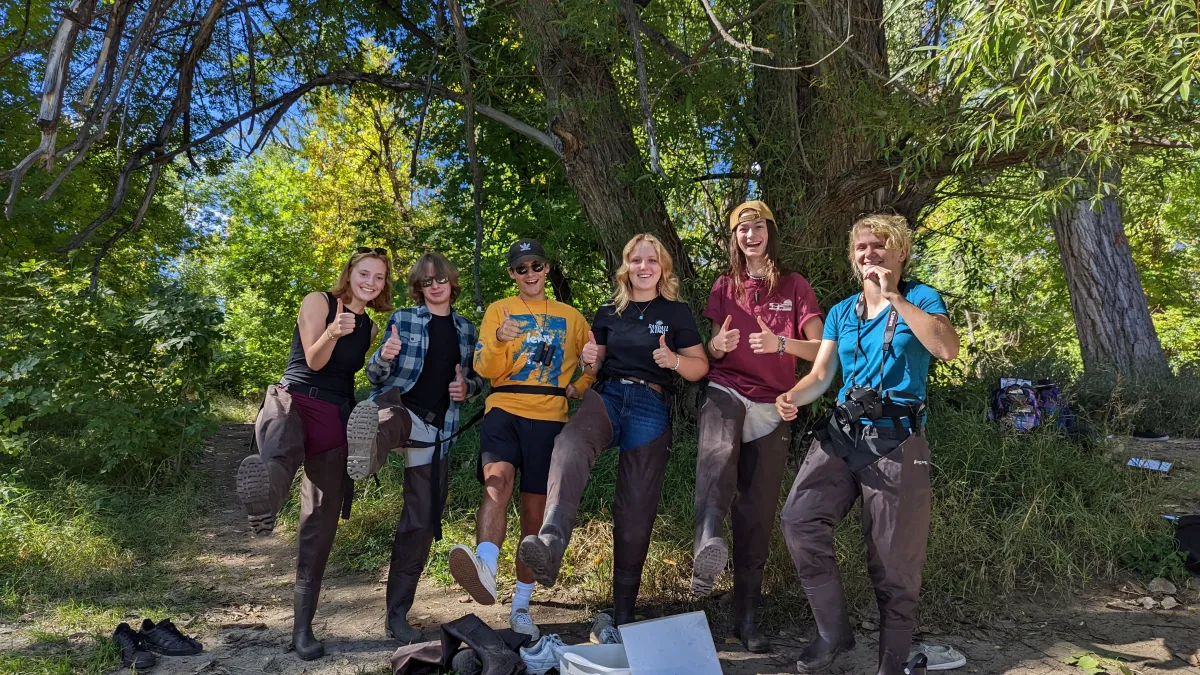

Futures Lab, Poudre School District
Fort Collins, CO
Protecting the Natural World, Investigating the Environment
Learning Experiences
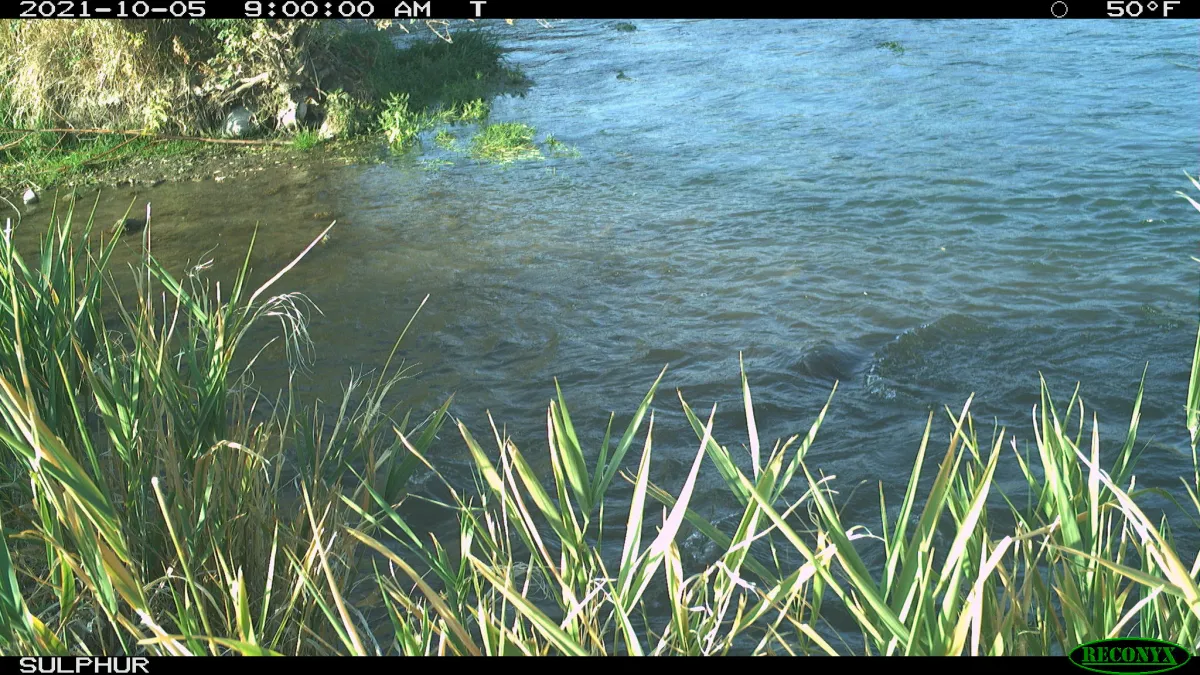
Internship In Conservation District in Powell, WY
Powell, WY
Protecting the Natural World
Learning Experiences, Stewardship Experiences, Volunteer Positions, Unpaid Internships
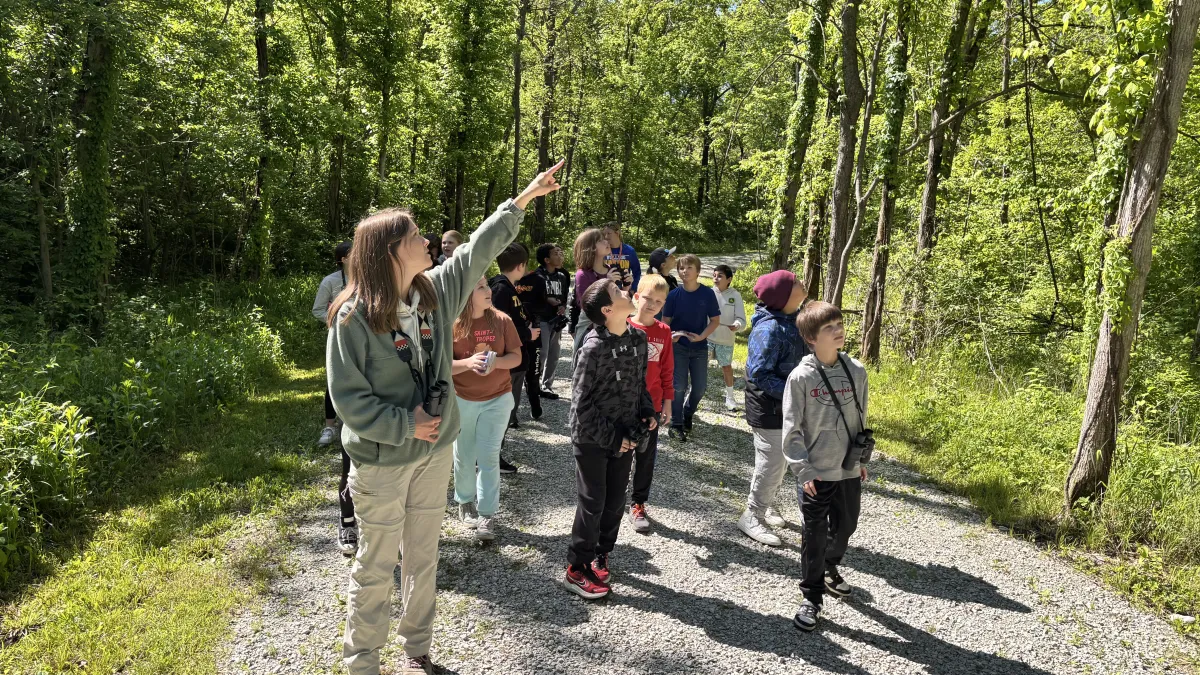
Missouri Opportunities for Bird Conservation and Advocacy
Multiple Cities, MO
Protecting the Natural World, Connecting People with Nature, Designing & Building Sustainably, Shaping Policy, Bringing Green to Any Career
Clubs, Learning Experiences, Recreational Experiences, Stewardship Experiences, Summer Camps, Volunteer Positions, Unpaid Internships, Part-time Jobs
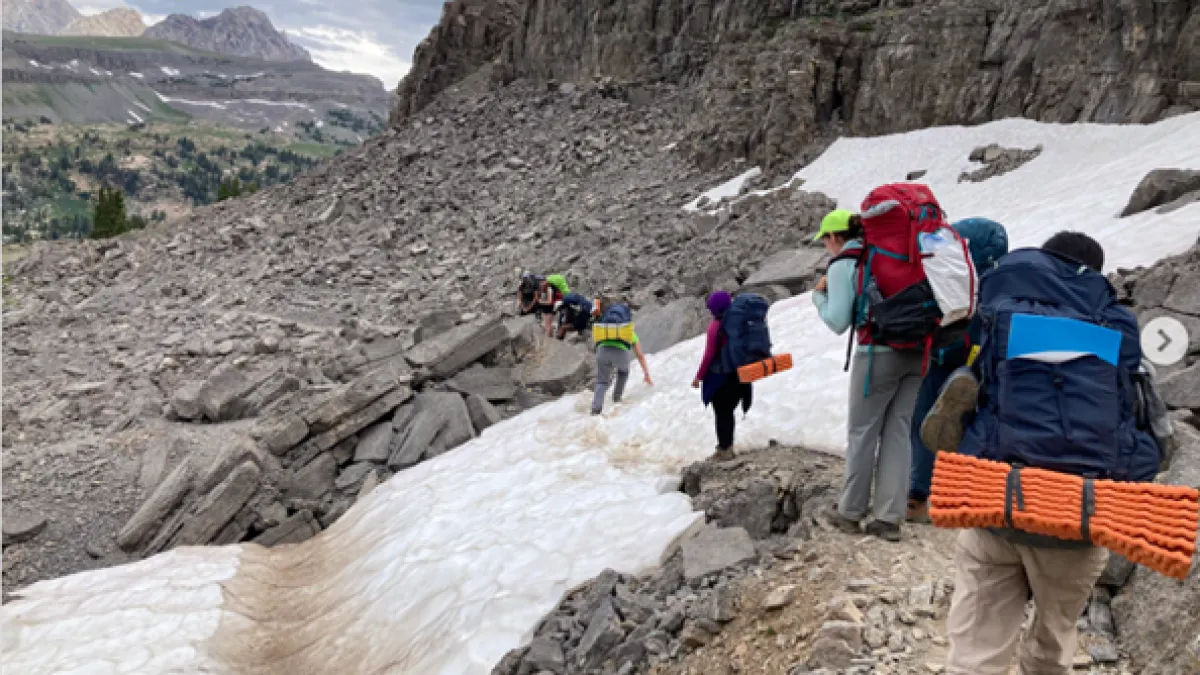
Teton Science Schools
Jackson, WY
Protecting the Natural World, Investigating the Environment
Summer Camps