Environmental Engineer
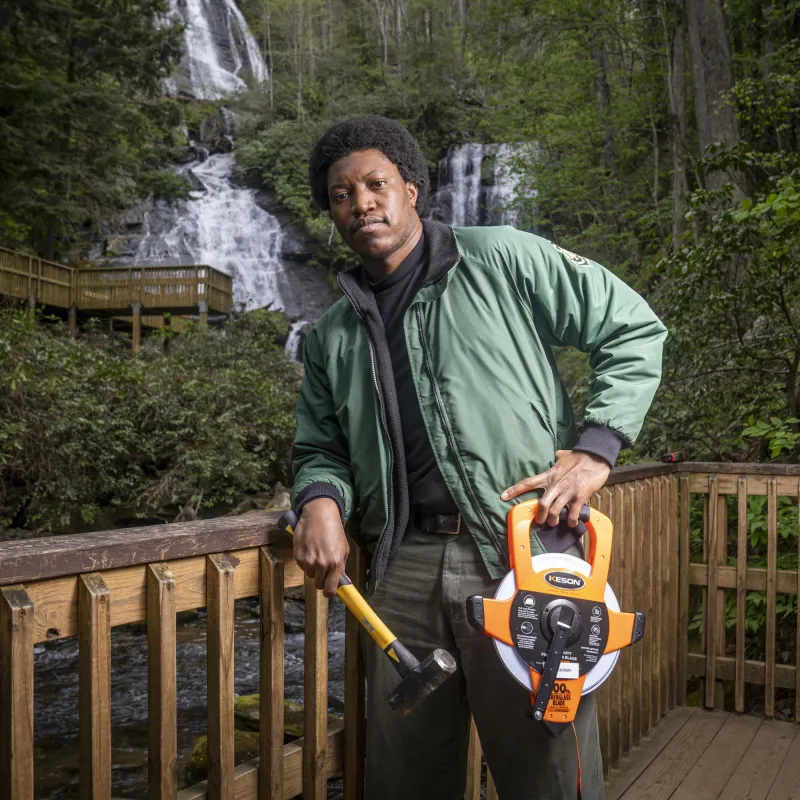
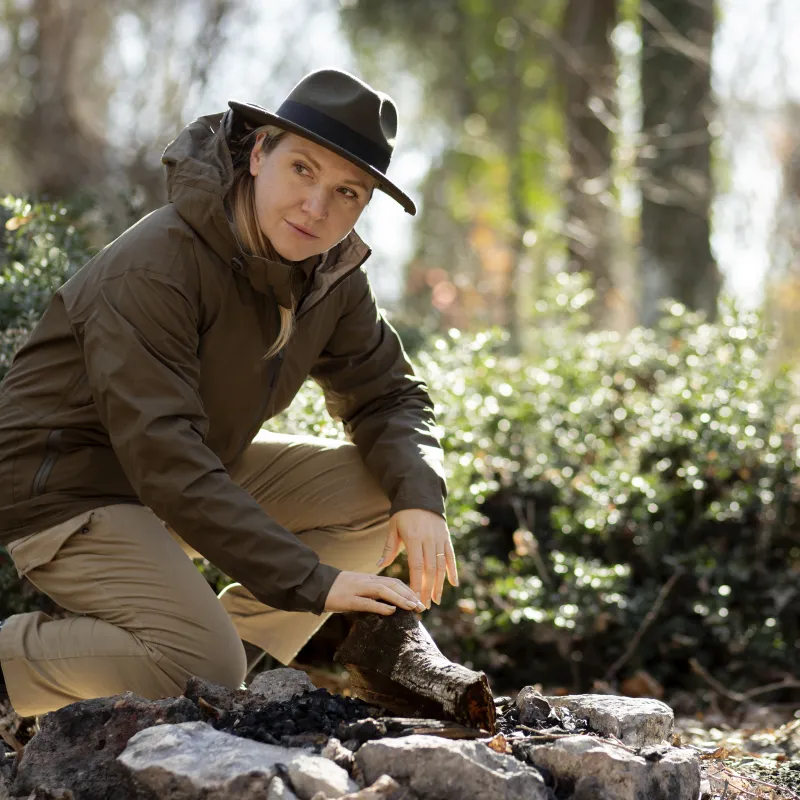
Environmental engineers use the principles of engineering, soil science, biology, and chemistry to develop solutions to environmental problems. They are involved in efforts to improve recycling, waste disposal, public health, and water and air pollution control. They also address global issues, such as unsafe drinking water, climate change, and environmental sustainability.
A Day in the Job
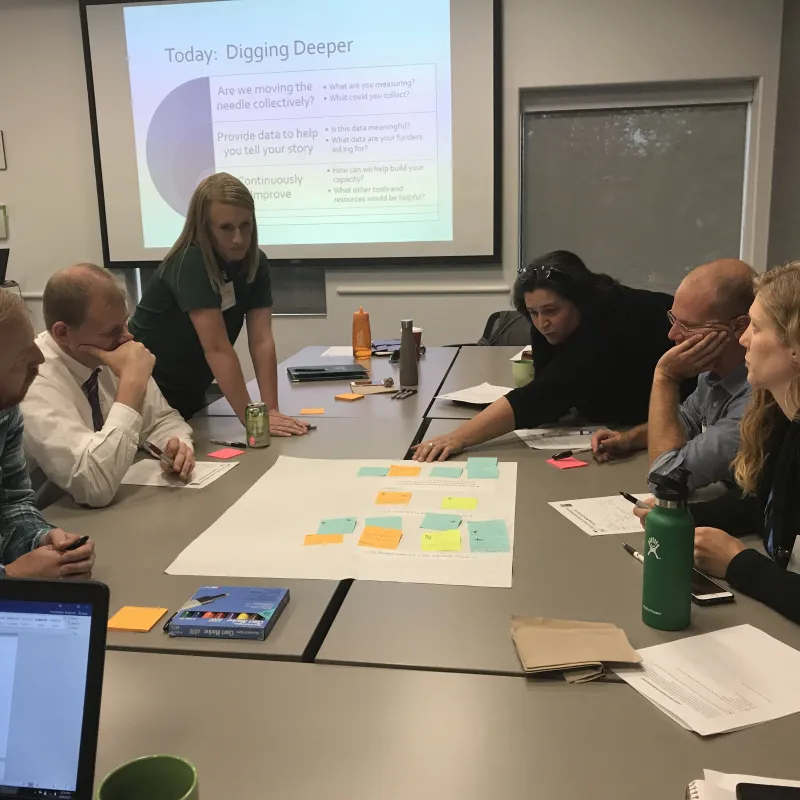
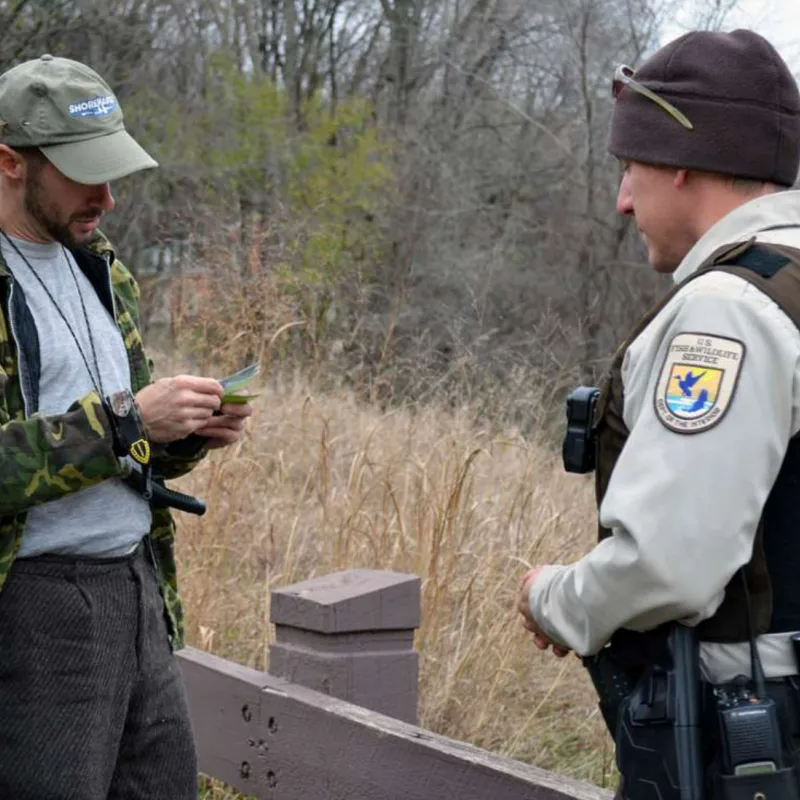
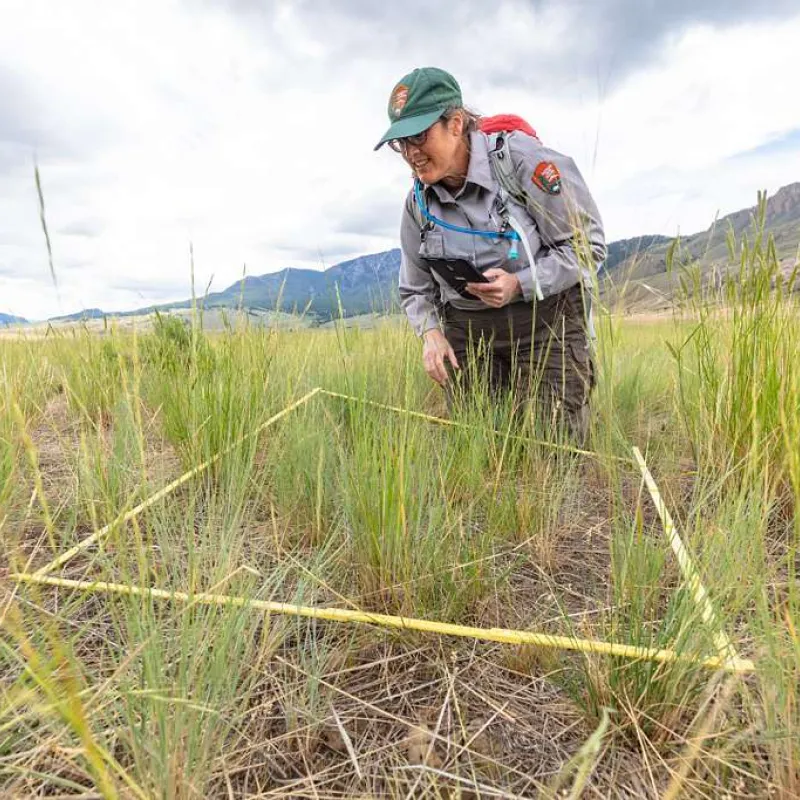
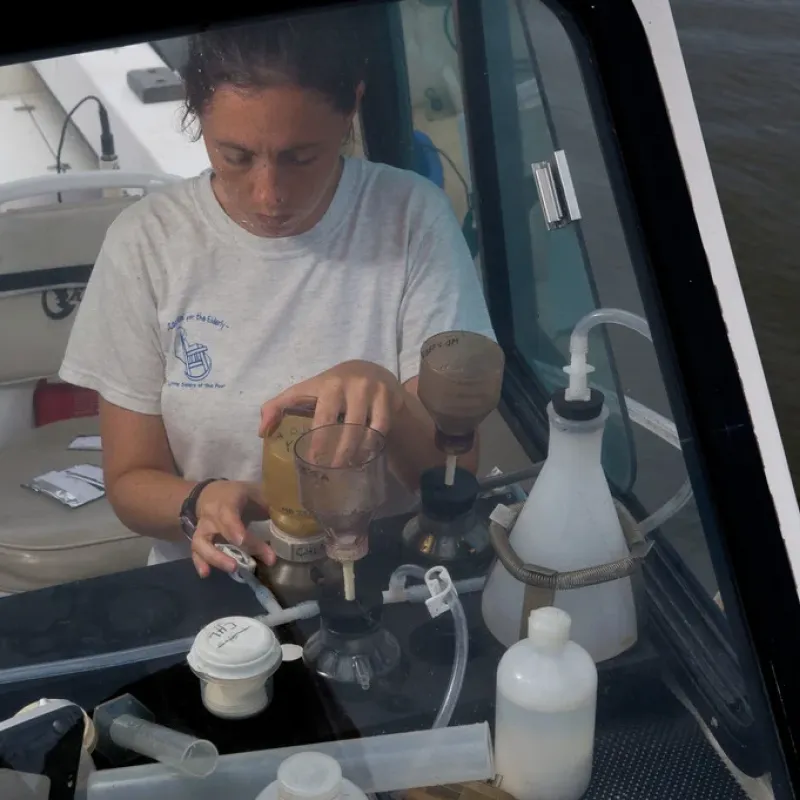
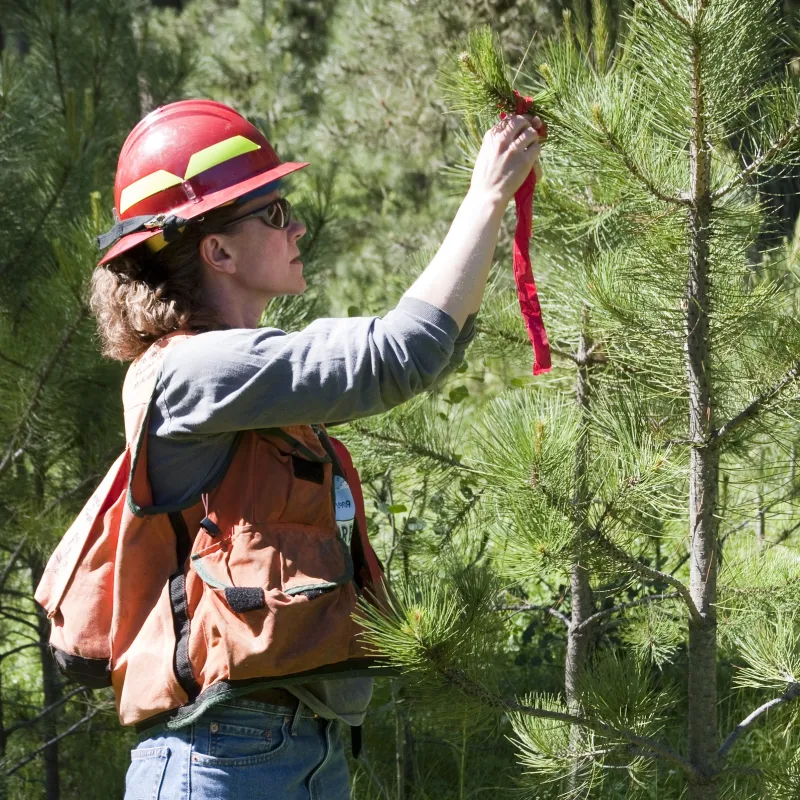
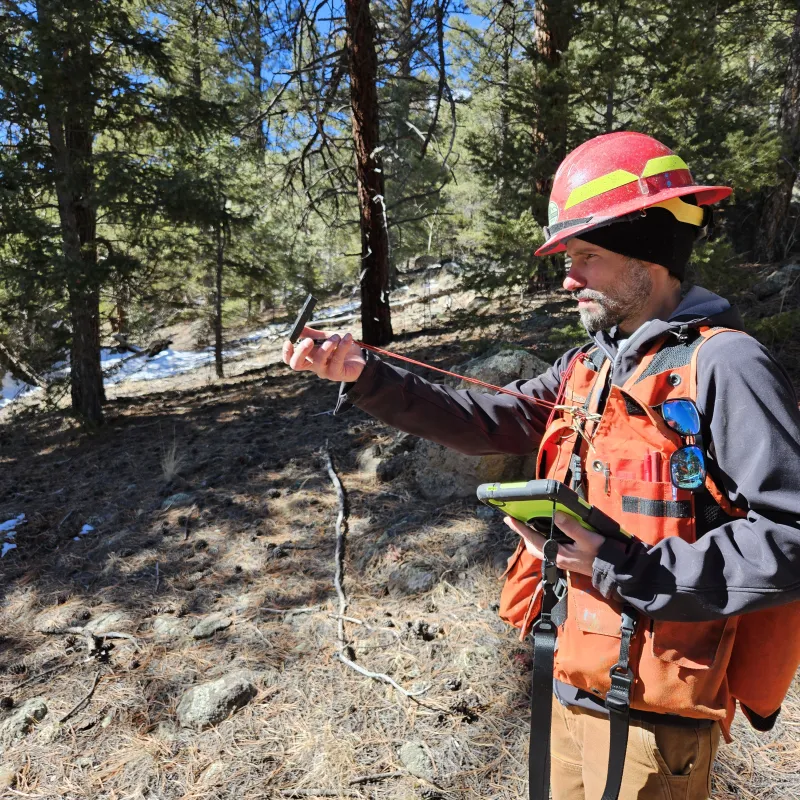
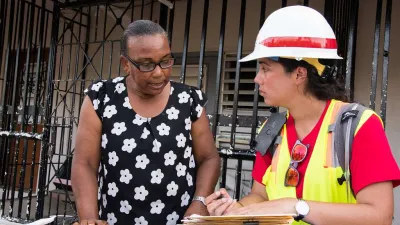
Most environmental engineers work full time. Those who manage projects often work more than 40 hours per week to monitor the project’s progress, ensure deadlines are met, and recommend corrective action when needed. Environmental Engineers work in a variety of settings because of the nature of the tasks they do. When working with other engineers and with urban and regional planners, environmental engineers typically work in offices. However, they also work at specific sites outdoors when studying, designing or carrying out solutions to environmental problems.
Work Takes Place
Skills
Career Categories
Protecting the Natural World Designing & Building Sustainably
Potential Employers
Engineering Firms
Environmental Consulting Companies
Federal government agencies such as the National Park Service
Local government agencies such as city water departments
A Day in the Life
Meet a Stormwater Engineer
What if your future career helped protect rivers, prevent flooding, and keep pollution out of local waterways—all by using math, science, engineering, and problem-solving? Judah Gaioni, Stormwater Engineer and Director of the Colorado Stormwater Center at Colorado State University, explains how stormwater engineers protect water quality in cities. Learn more about Judah's career journey and what it's like to be a Stormwater Engineer in his presentation at the Green Pathways: Careers That Matter event in 2026.
Related Opportunities
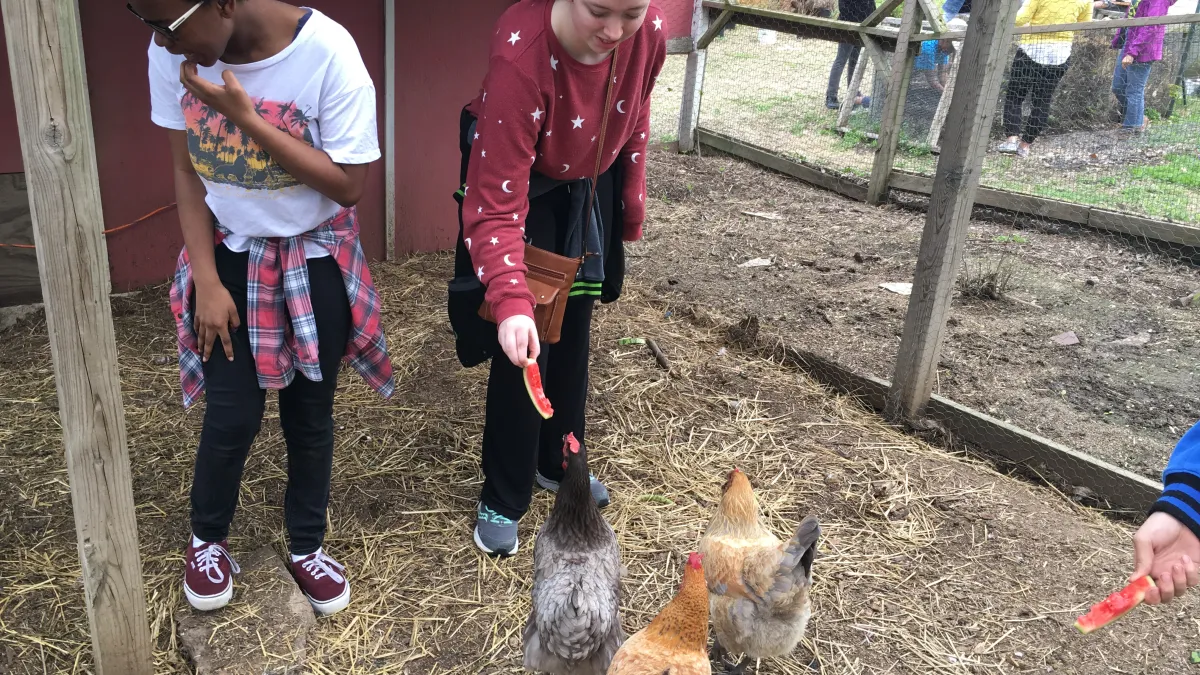

Seed St. Louis: Visit a St. Louis Community Food Garden
Saint Louis, MO
Protecting the Natural World, Connecting People with Nature, Investigating the Environment, Designing & Building Sustainably
Clubs, Learning Experiences, Recreational Experiences, Stewardship Experiences, Summer Camps, Volunteer Positions
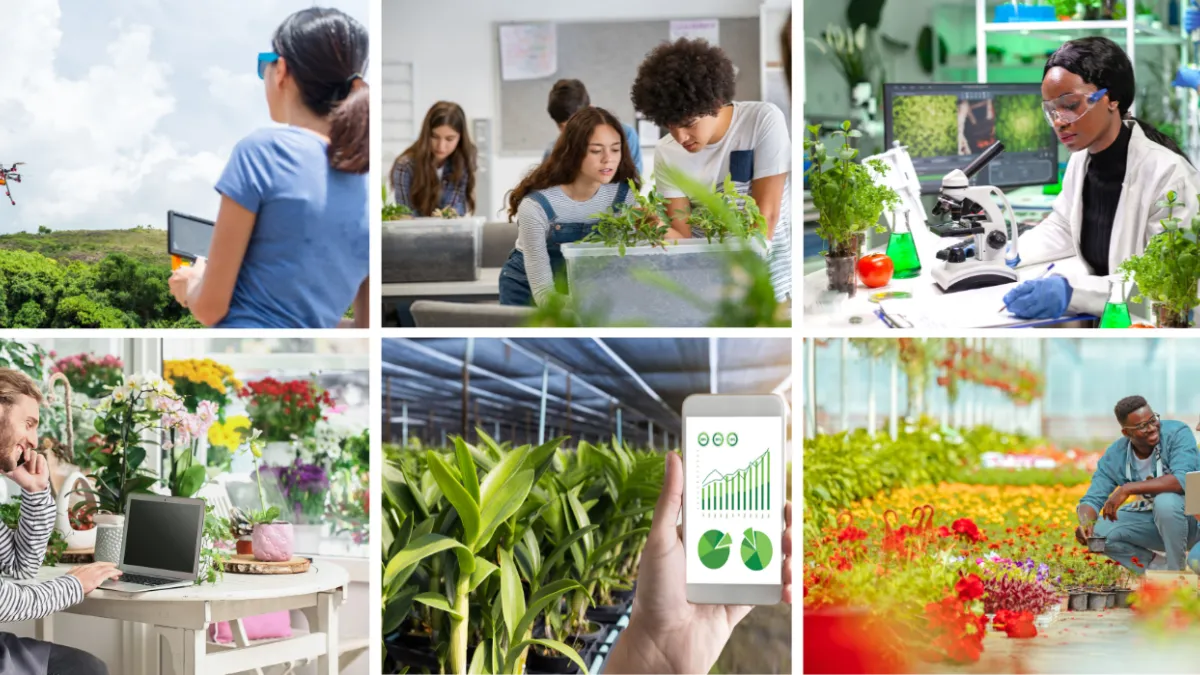

Seed Your Future
Alexandria, VA
Protecting the Natural World, Connecting People with Nature, Investigating the Environment, Designing & Building Sustainably, Shaping Policy, Bringing Green to Any Career
Learning Experiences, Volunteer Positions, Unpaid Internships
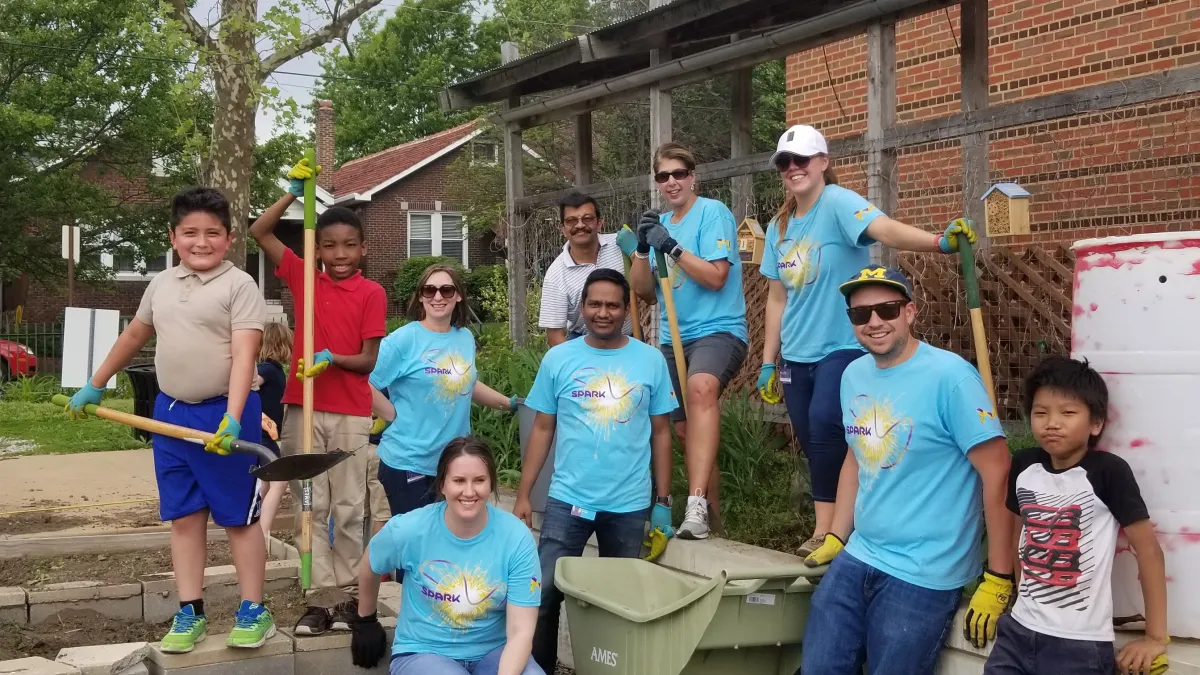

Volunteer at a Community Garden with Seed St. Louis
Saint Louis, MO
Protecting the Natural World, Connecting People with Nature, Designing & Building Sustainably
Clubs, Seal of Climate Literacy Project, Learning Experiences, Recreational Experiences, Stewardship Experiences, Summer Camps, Volunteer Positions