Ecologist
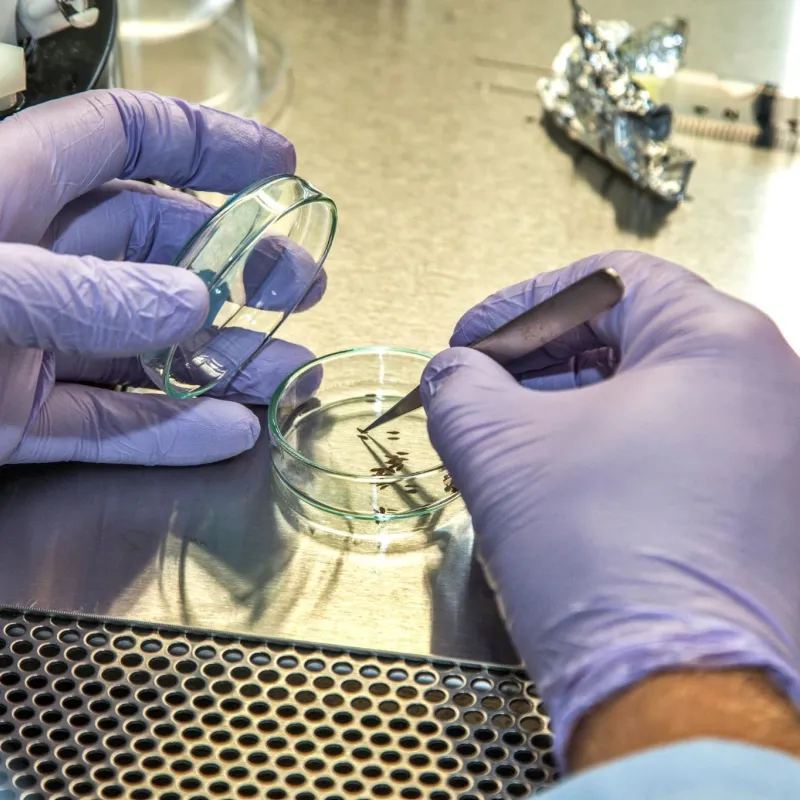
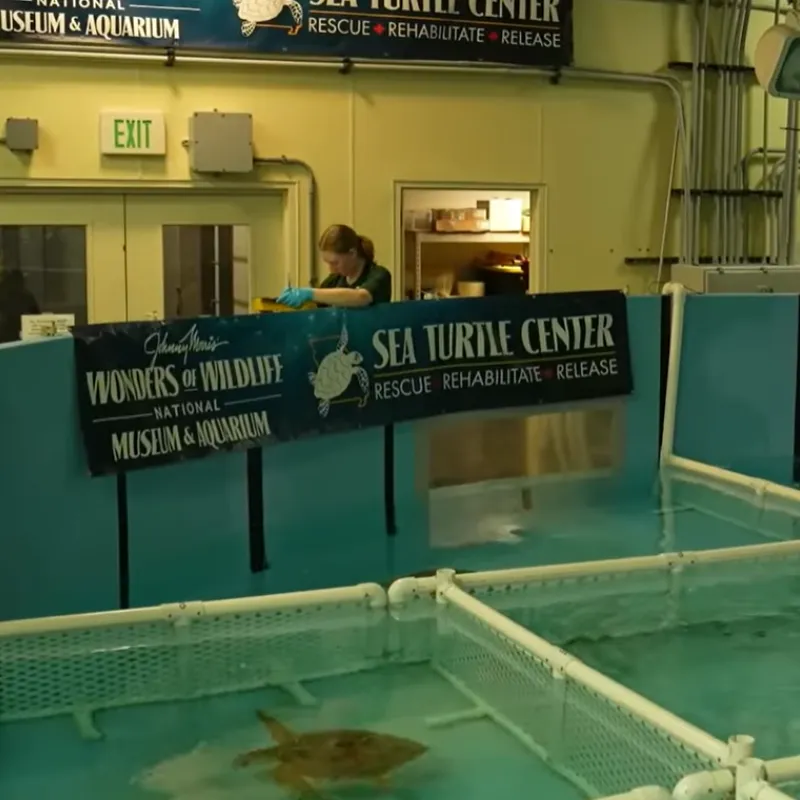
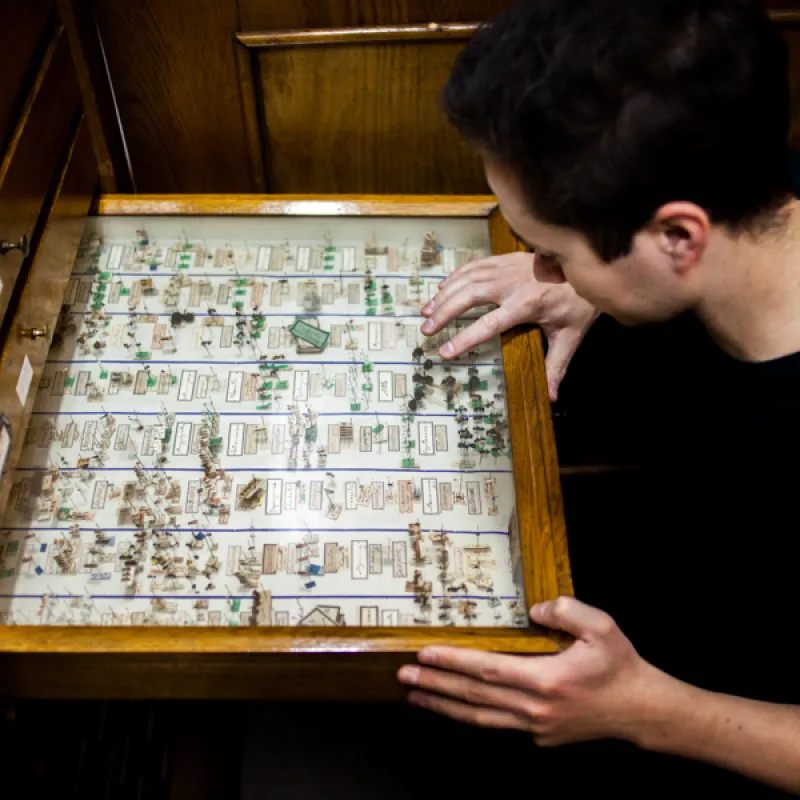
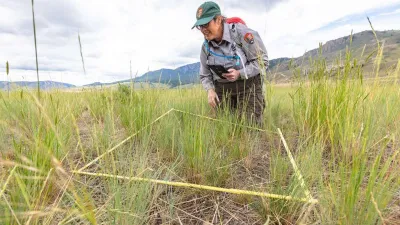
Ecologists study the interaction between organisms and their environment. There are different levels of organization that an ecologist may study including species, population, community, ecosystem, biome, and biosphere. With those in mind, an ecologist can get even more focused in their work, and research specific organisms and environments. Many ecologists specialize in areas such as botany, entomology, zoology, or mycology.
A Day in the Job
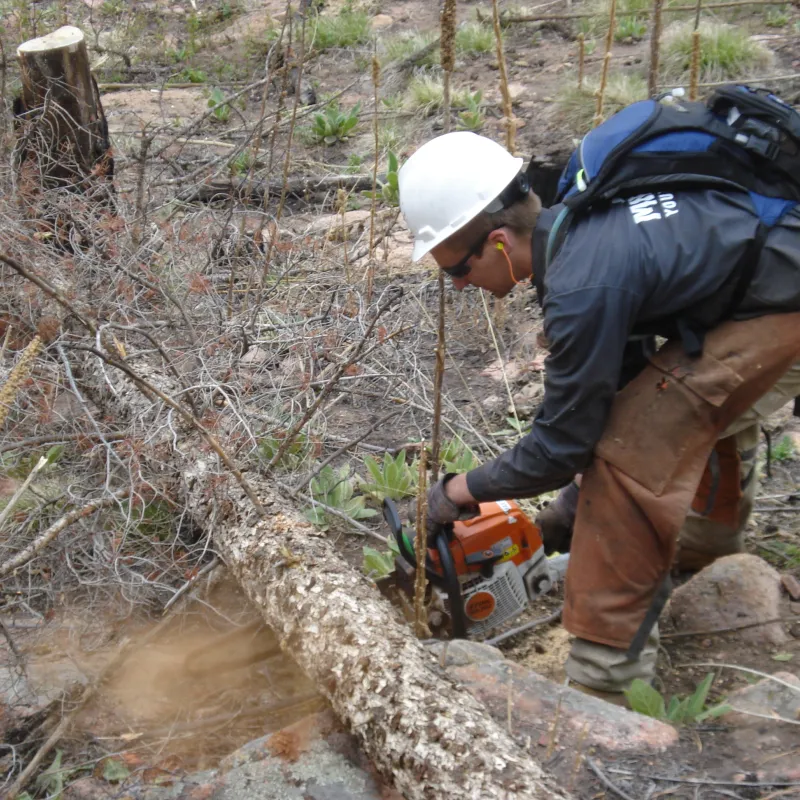
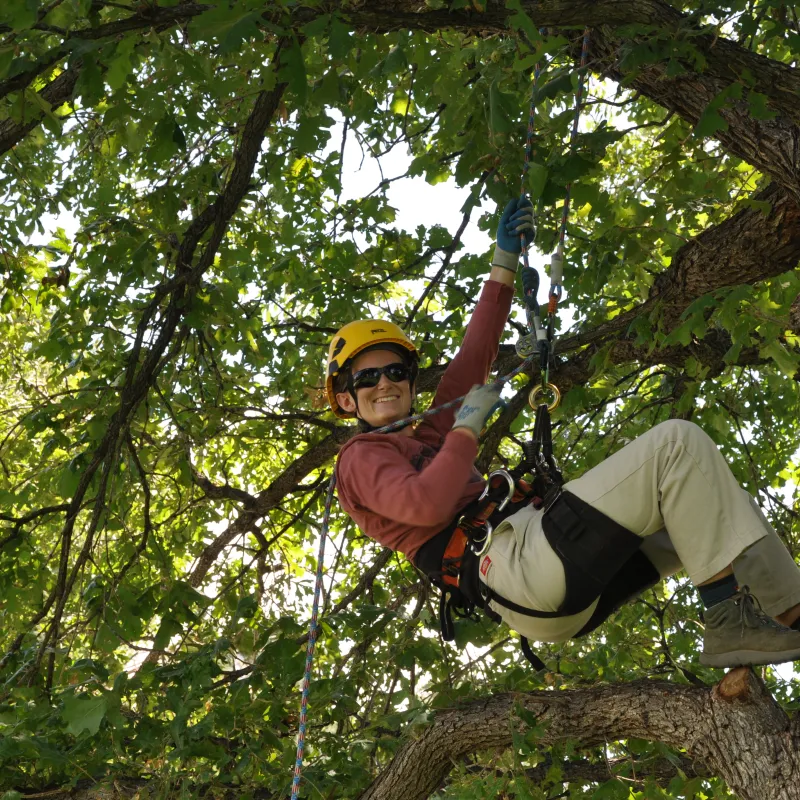
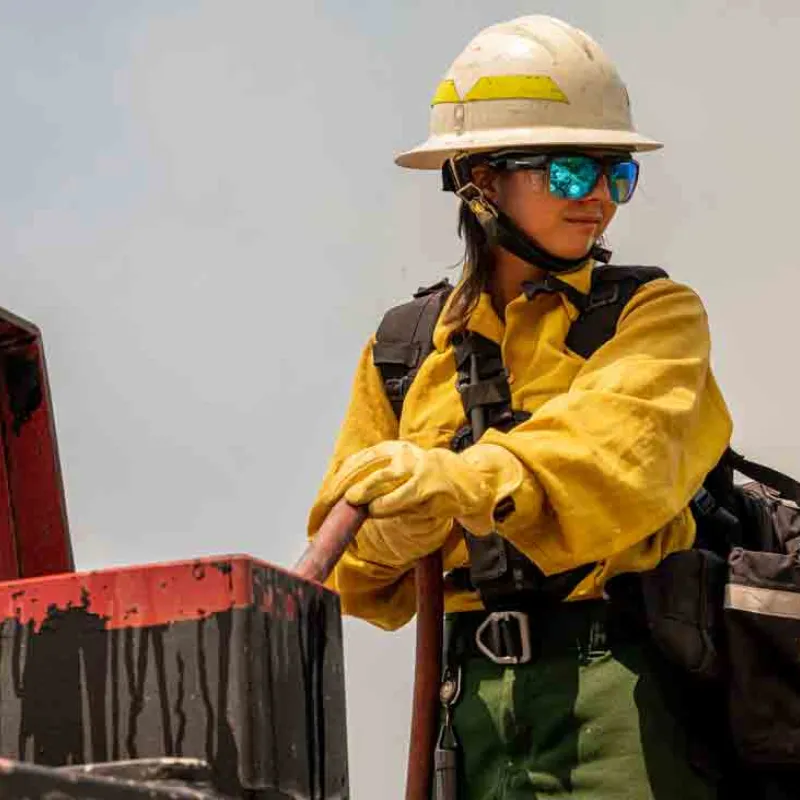
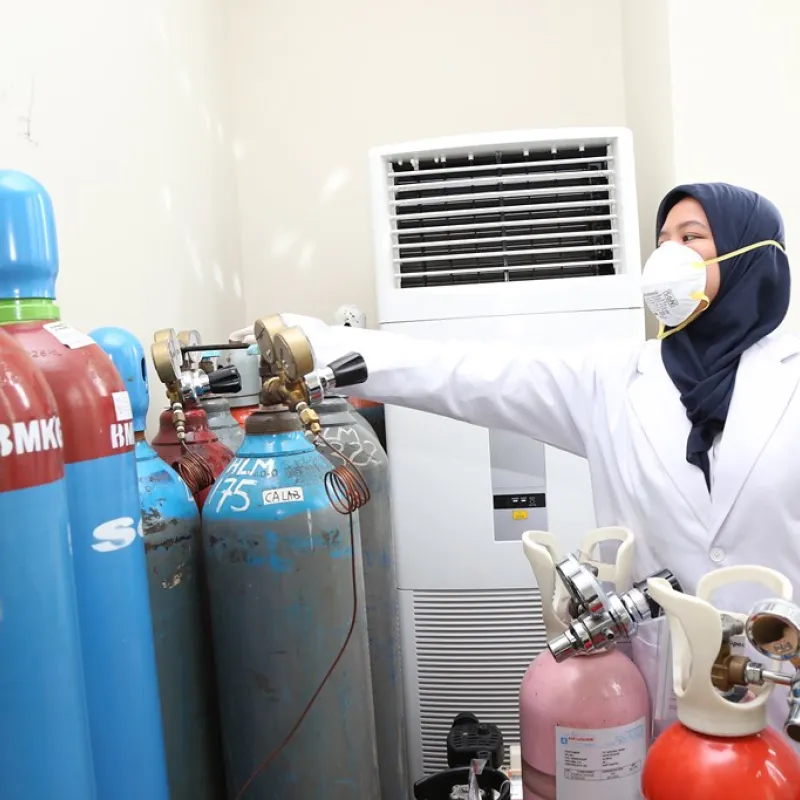
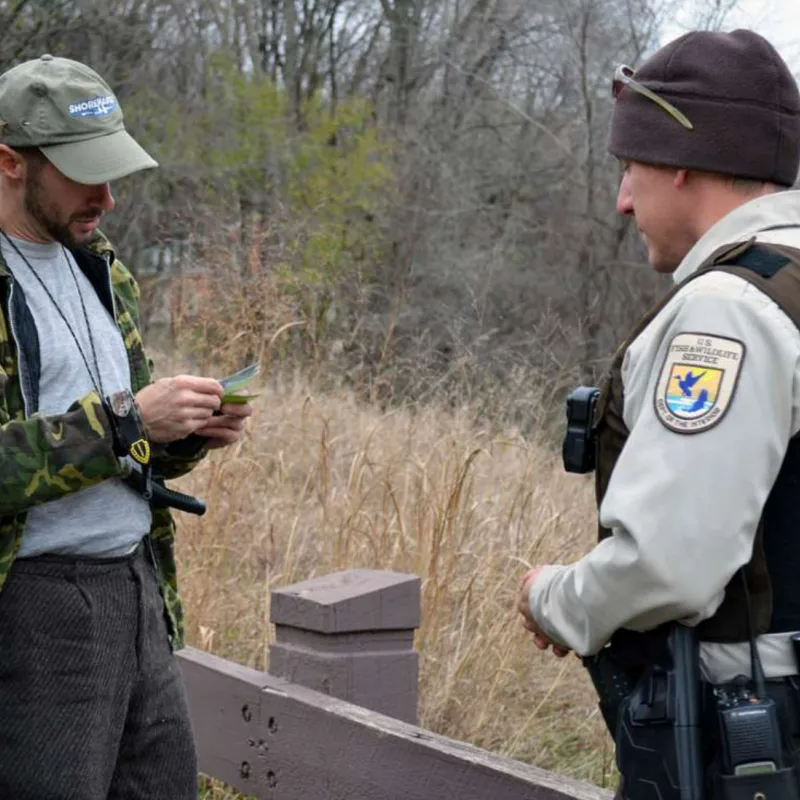
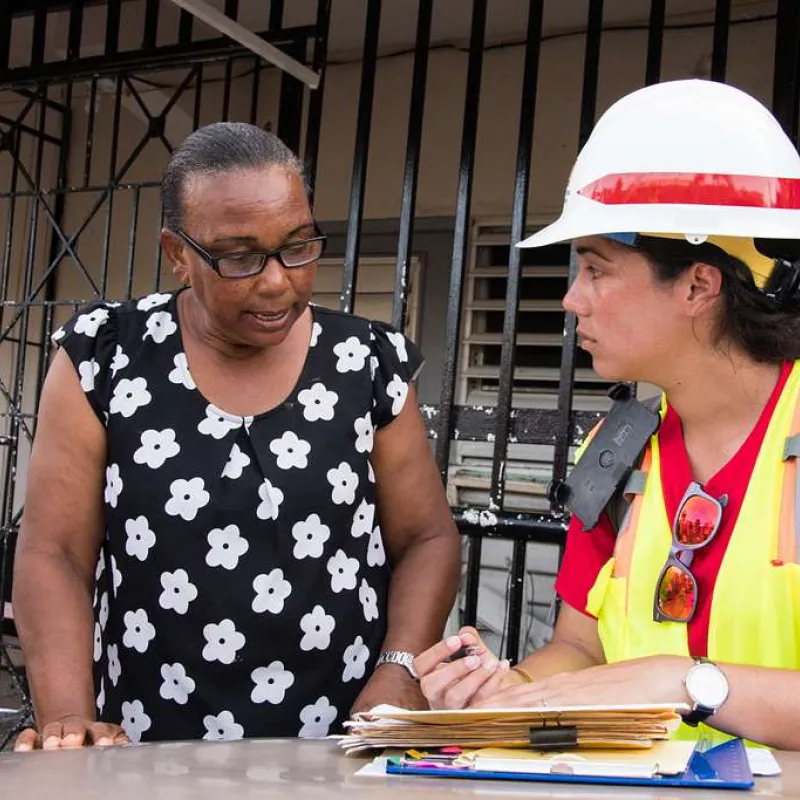
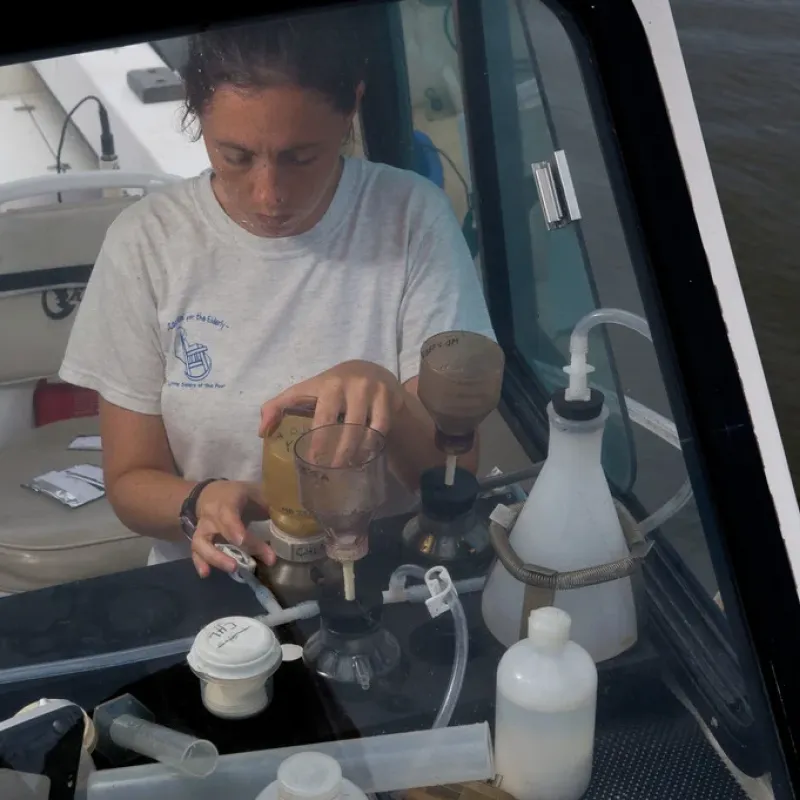
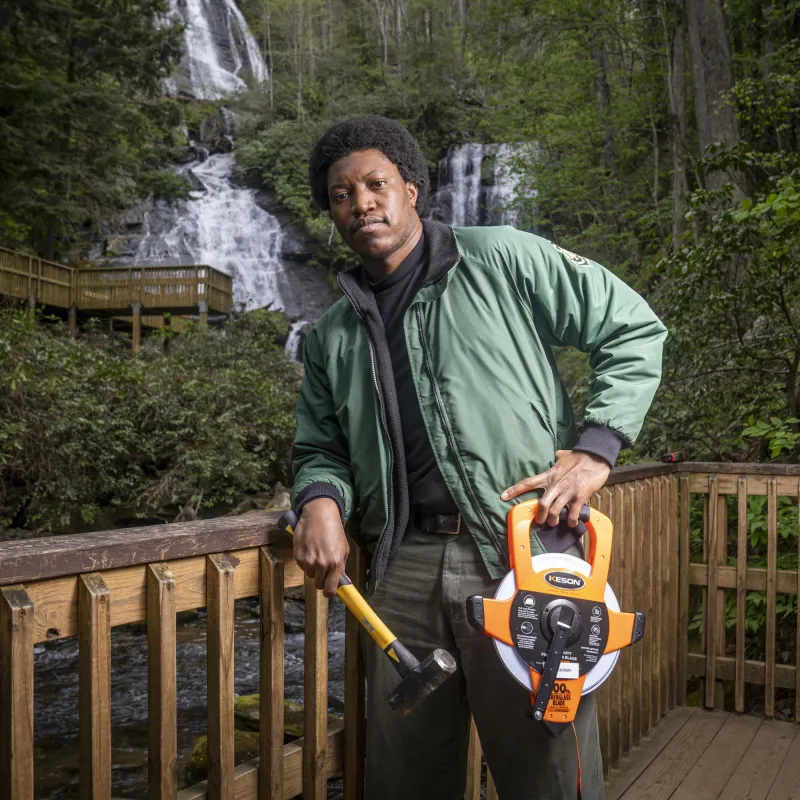
An ecologist typically works for a government agency, a private company, or at a university as a professor. On a typical day, an ecologist may conduct field work in a remote location or work in the lab analyzing field samples. Most ecologists work a typical 40-hour week with the exception of when they are conducting research in the field, which can last for weeks or months at a time with no set work hours.
Work Takes Place
Skills
Career Categories
Protecting the Natural World Investigating the Environment
Potential Employers
Federal government agencies such as the U.S. Forest Service, National Park Service, and U.S. Environmental Protection Agency
State departments of natural resources or environmental quality
Environmental consulting firms
Nonprofit and conservation organizations
A Day in the Life
Meet a Stream Monitoring Scientist
Imagine getting paid to explore rivers, collect aquatic insects, study fish populations, and uncover what's happening beneath the surface of streams and lakes. Clint Goodrich, Stream Monitoring Scientist with the Kansas Department of Health and Environment, shares how his childhood fascination with creatures hidden beneath the water eventually led to more than 30 years working in outdoor science. Learn more about Clint's career journey and what it's like to be a Stream Monitoring Scientist in his presentation at the Green Pathways: Careers That Matter event in 2026.
Related Blog Posts
Related Opportunities
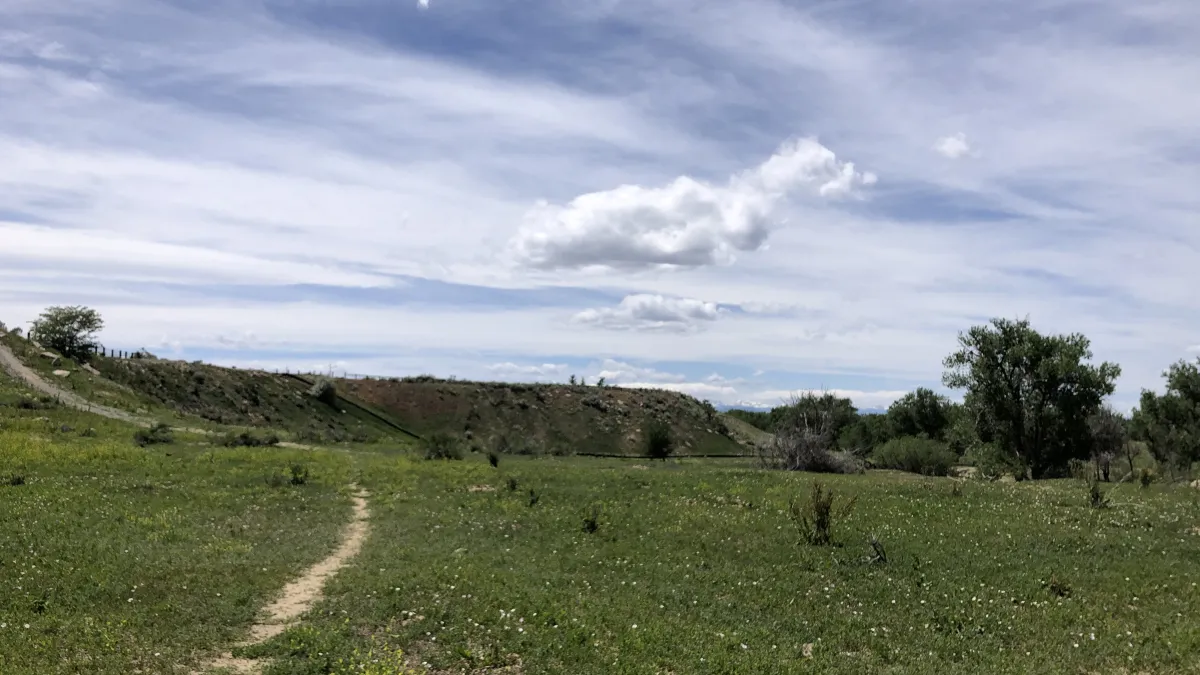
Bluff Lake Nature Center
Denver, CO
Protecting the Natural World, Connecting People with Nature, Investigating the Environment
Learning Experiences, Stewardship Experiences, Summer Camps, Volunteer Positions, Unpaid Internships, Paid internships, Seasonal Jobs
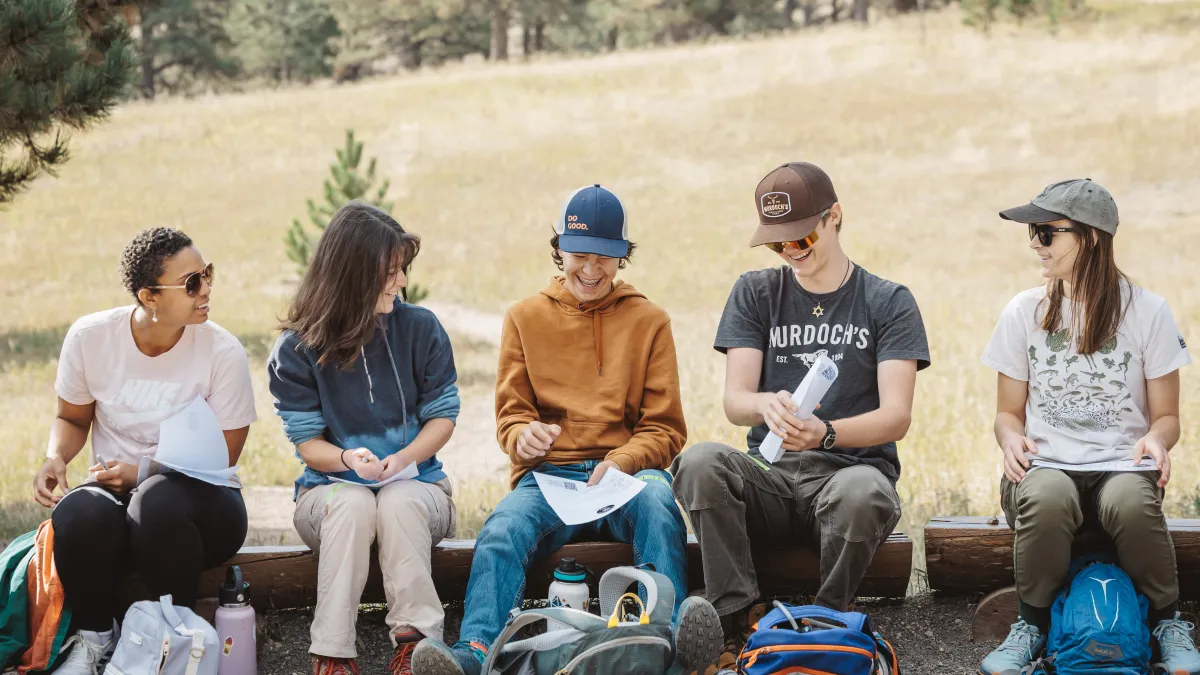
Cal-Wood Education Center
Jamestown, CO
Protecting the Natural World, Connecting People with Nature, Investigating the Environment
Seal of Climate Literacy Project, Learning Experiences, Stewardship Experiences, Summer Camps, Volunteer Positions, Seasonal Jobs, Part-time Jobs, Full-time Jobs
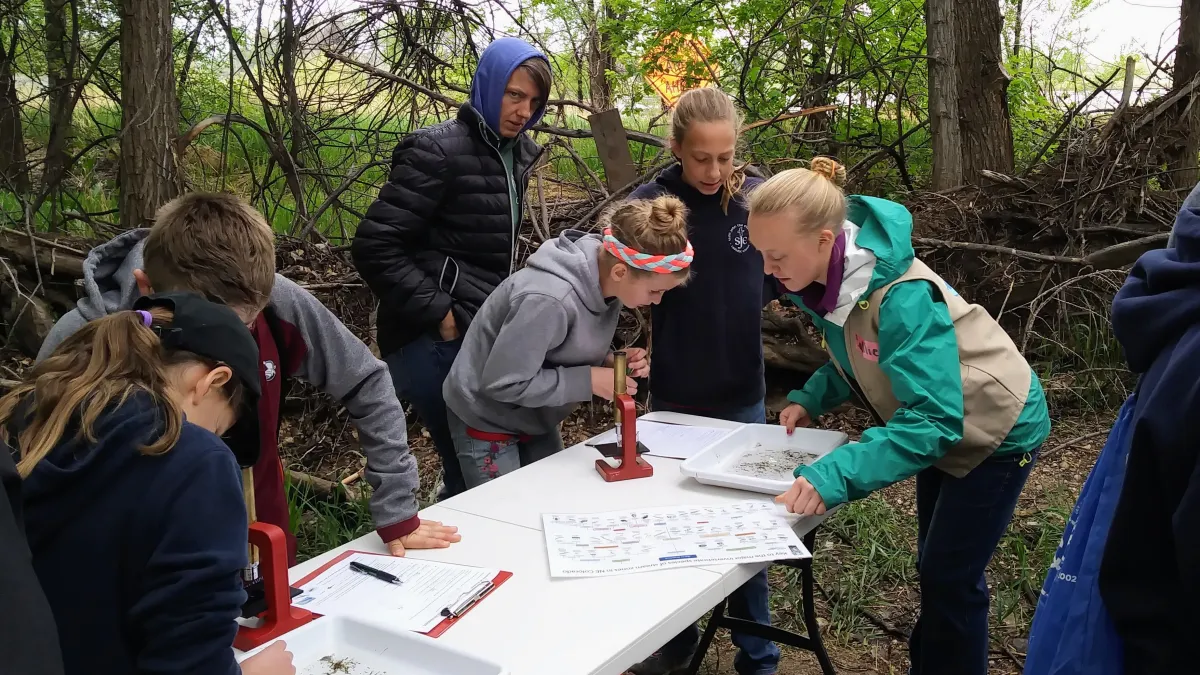
City of Loveland Open Lands and Trails
Loveland, CO
Protecting the Natural World, Connecting People with Nature
Stewardship Experiences, Volunteer Positions, Unpaid Internships, Seasonal Jobs
Colorado Department of Natural Resources
DENVER, CO
Protecting the Natural World, Connecting People with Nature, Investigating the Environment, Designing & Building Sustainably
Volunteer Positions, Seasonal Jobs
Colorado Parks and Wildlife
Denver, CO
Protecting the Natural World, Connecting People with Nature, Investigating the Environment
Recreational Experiences, Stewardship Experiences, Volunteer Positions, Paid internships, Seasonal Jobs, Part-time Jobs, Full-time Jobs
Douglas County Conservation District
Franktown, CO
Protecting the Natural World, Investigating the Environment, Designing & Building Sustainably, Shaping Policy
Recreational Experiences, Stewardship Experiences, Summer Camps, Volunteer Positions
Fort Collins Natural Areas
Fort Collins, CO
Protecting the Natural World, Connecting People with Nature, Investigating the Environment, Designing & Building Sustainably, Shaping Policy
Clubs, Recreational Experiences, Stewardship Experiences, Volunteer Positions, Unpaid Internships, Paid internships, Seasonal Jobs, Part-time Jobs, Full-time Jobs
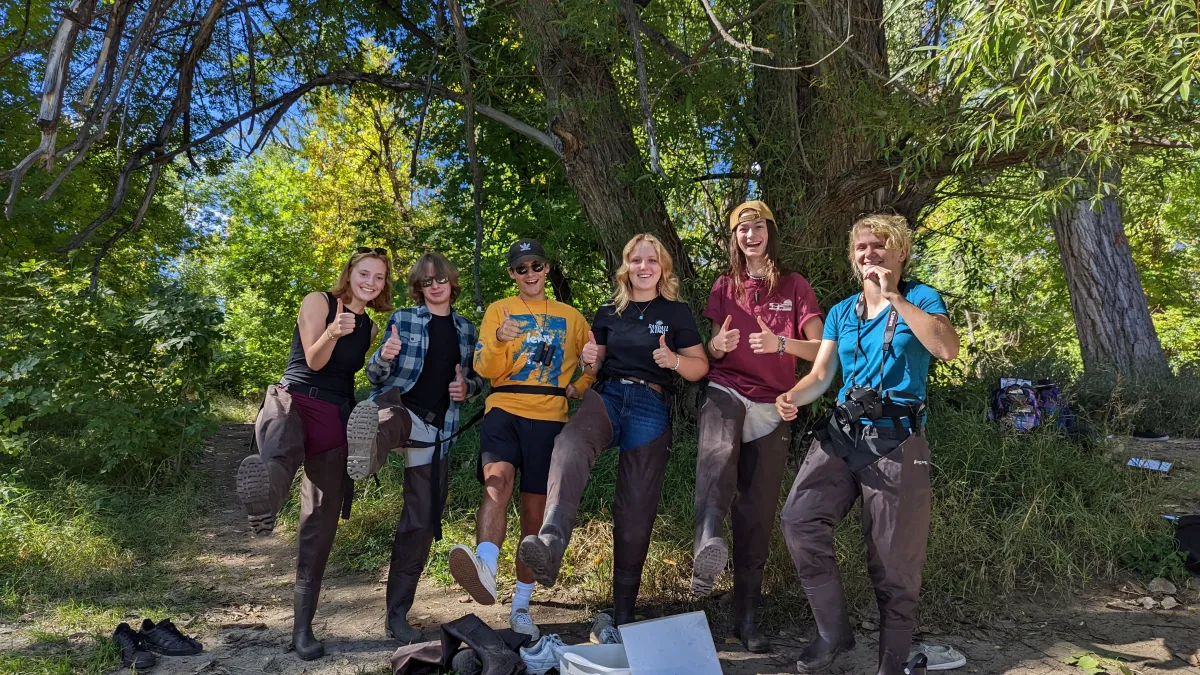

Futures Lab, Poudre School District
Fort Collins, CO
Protecting the Natural World, Investigating the Environment
Learning Experiences
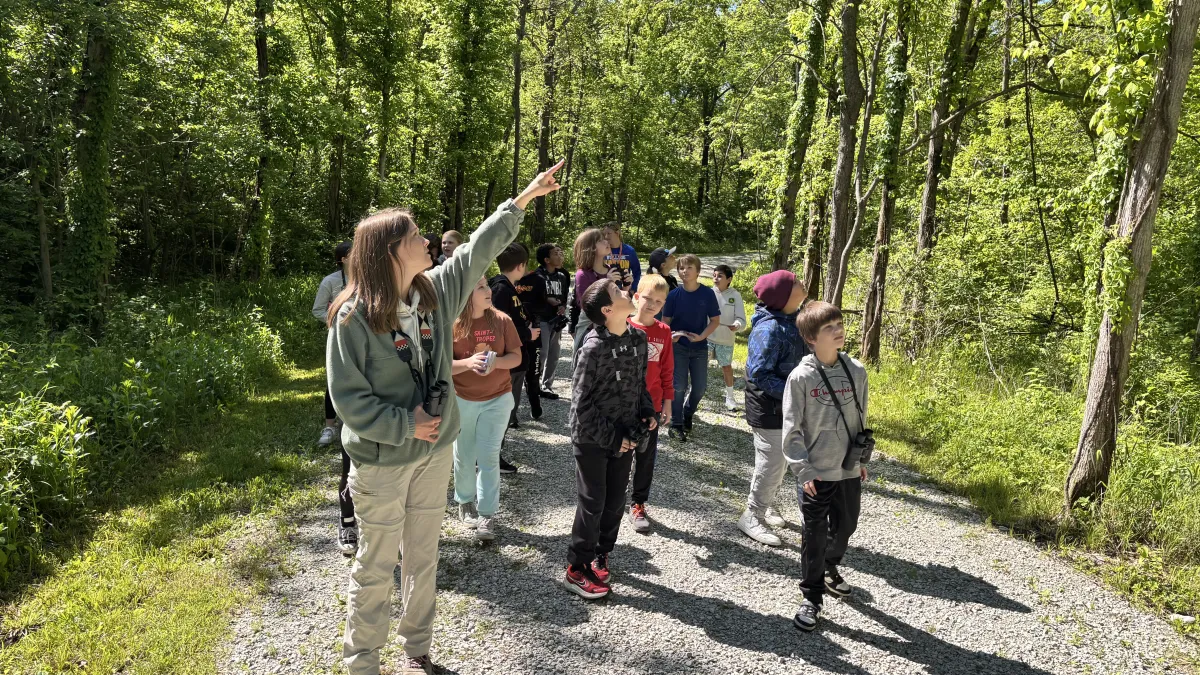
Missouri Opportunities for Bird Conservation and Advocacy
Multiple Cities, MO
Protecting the Natural World, Connecting People with Nature, Designing & Building Sustainably, Shaping Policy, Bringing Green to Any Career
Clubs, Learning Experiences, Recreational Experiences, Stewardship Experiences, Summer Camps, Volunteer Positions, Unpaid Internships, Part-time Jobs
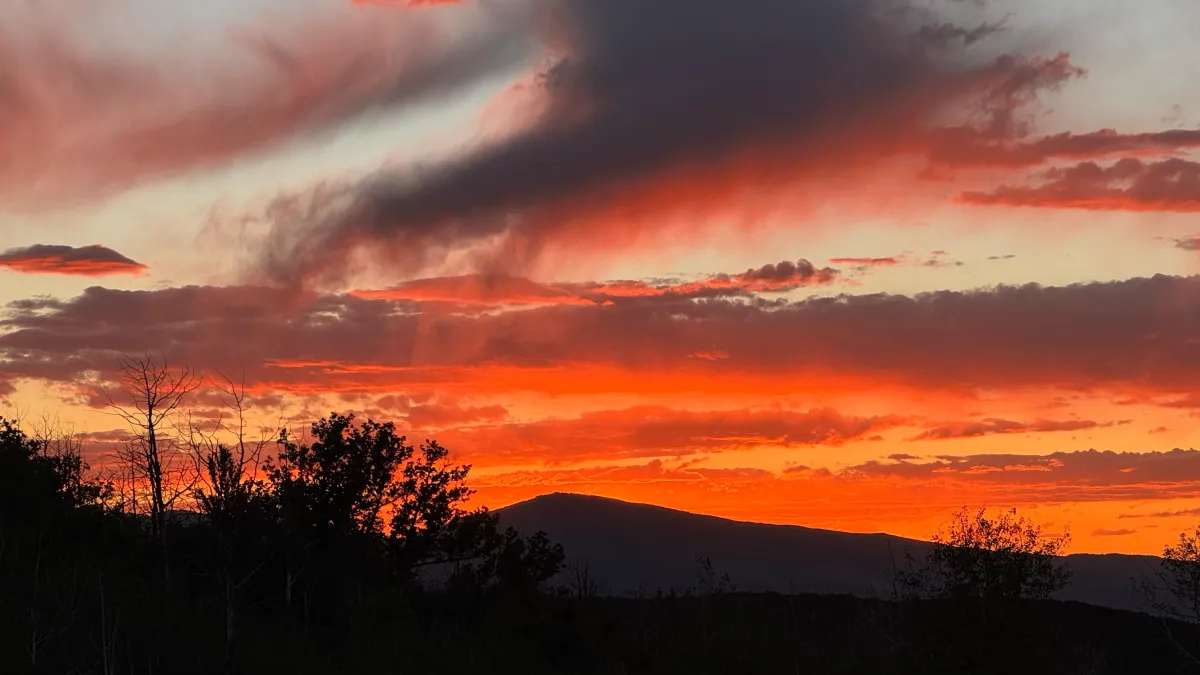
Rocky Mountain Youth Corps: outdoor leadership through conservation
Steamboat Springs, CO
Protecting the Natural World, Connecting People with Nature
Learning Experiences, Recreational Experiences, Stewardship Experiences, Volunteer Positions, Seasonal Jobs
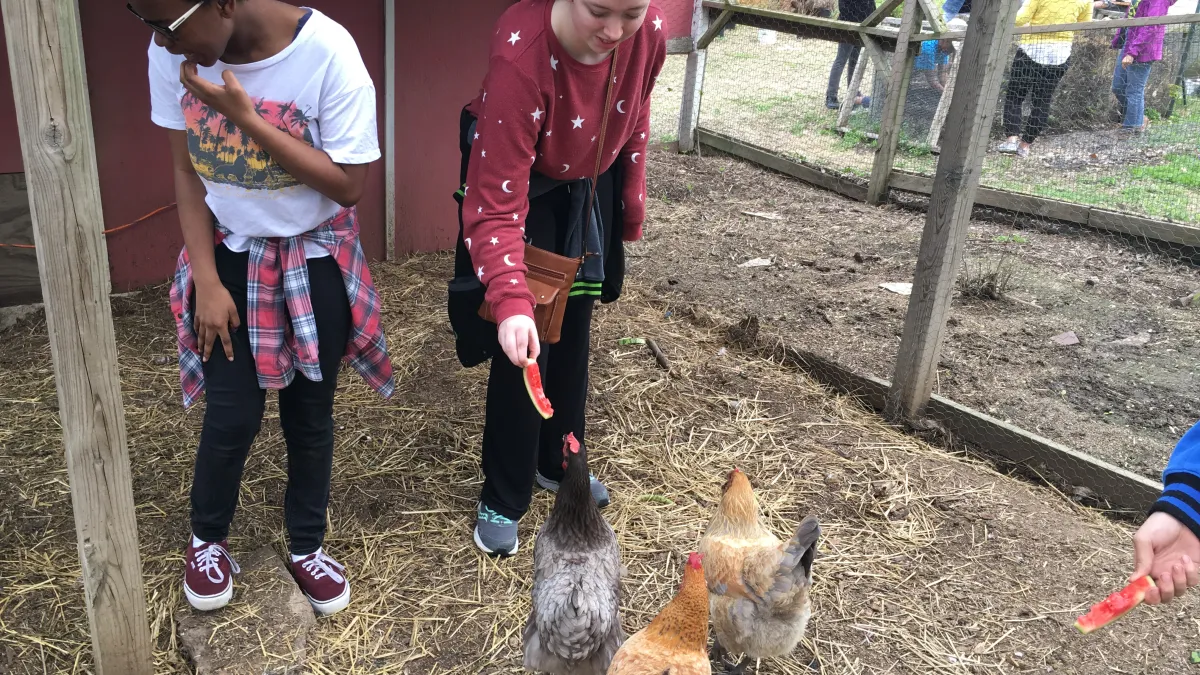
Seed St. Louis: Visit a St. Louis Community Food Garden
Saint Louis, MO
Protecting the Natural World, Connecting People with Nature, Investigating the Environment, Designing & Building Sustainably
Clubs, Learning Experiences, Recreational Experiences, Stewardship Experiences, Summer Camps, Volunteer Positions
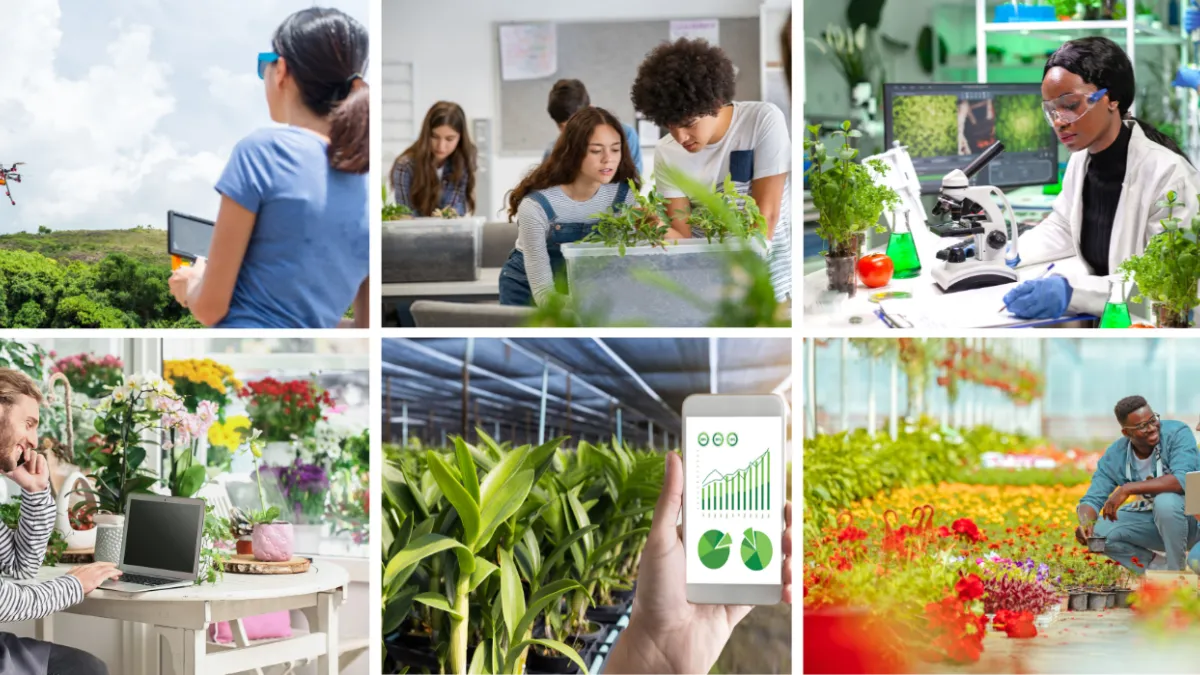

Seed Your Future
Alexandria, VA
Protecting the Natural World, Connecting People with Nature, Investigating the Environment, Designing & Building Sustainably, Shaping Policy, Bringing Green to Any Career
Learning Experiences, Volunteer Positions, Unpaid Internships