Soil Scientist
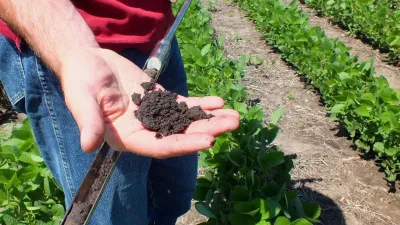
Agriculture and soil science have always been closely linked. Soil scientists use their knowledge of the earth to find out which crops grow best in which soils, what fertilizers to use and what the best methods of plowing and planting might be. “Soils within a country determine the quality of that nation’s environment, because soil acts like a kidney,” says John Beck, a soil scientist. “Water is purified as it moves through the soil to the groundwater. Plants growing in the soil purify the air we breathe.”
A Day in the Job
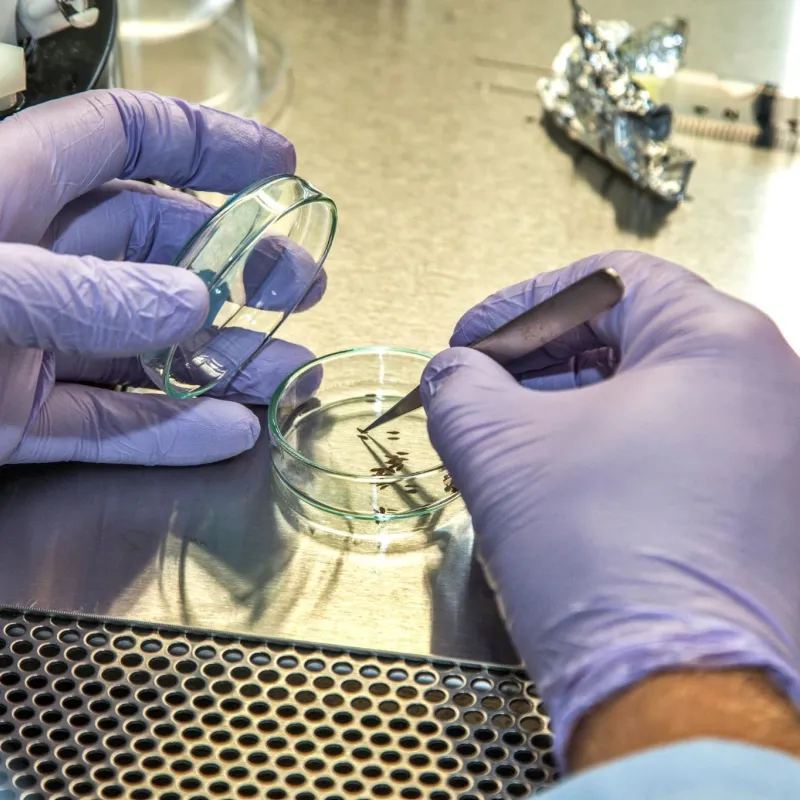
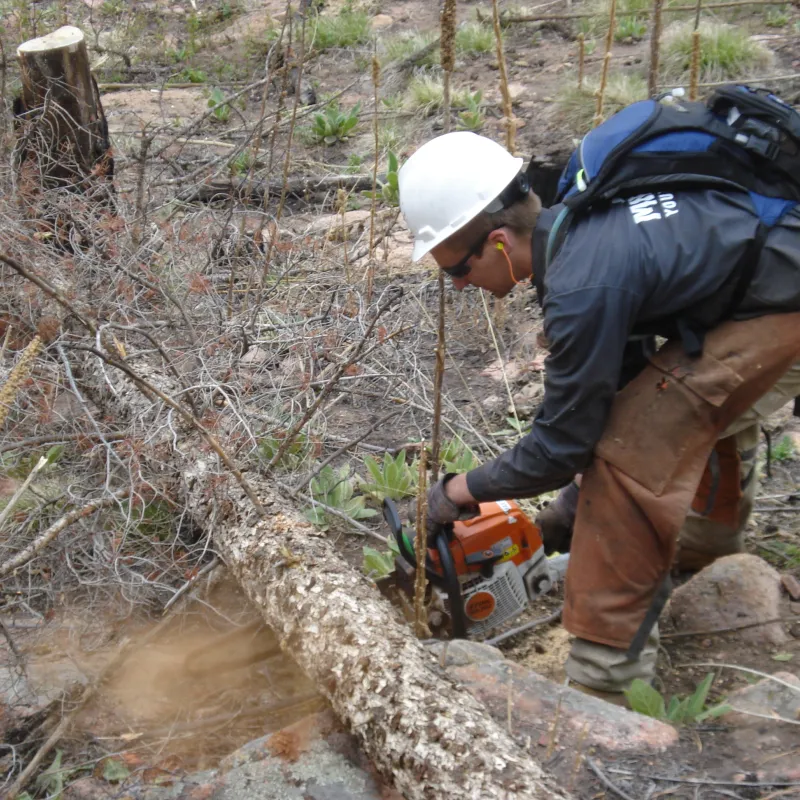
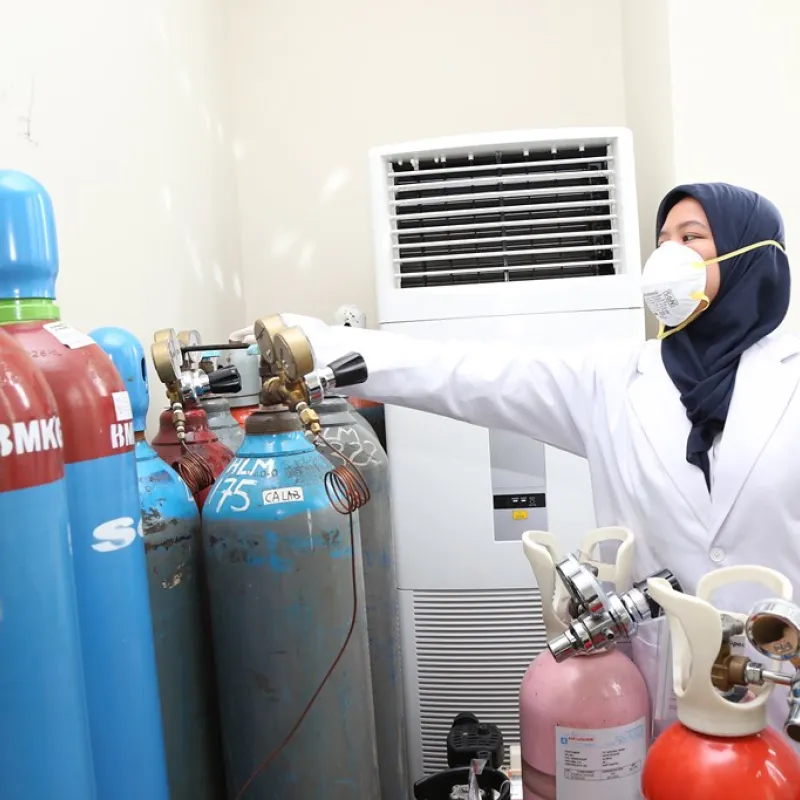
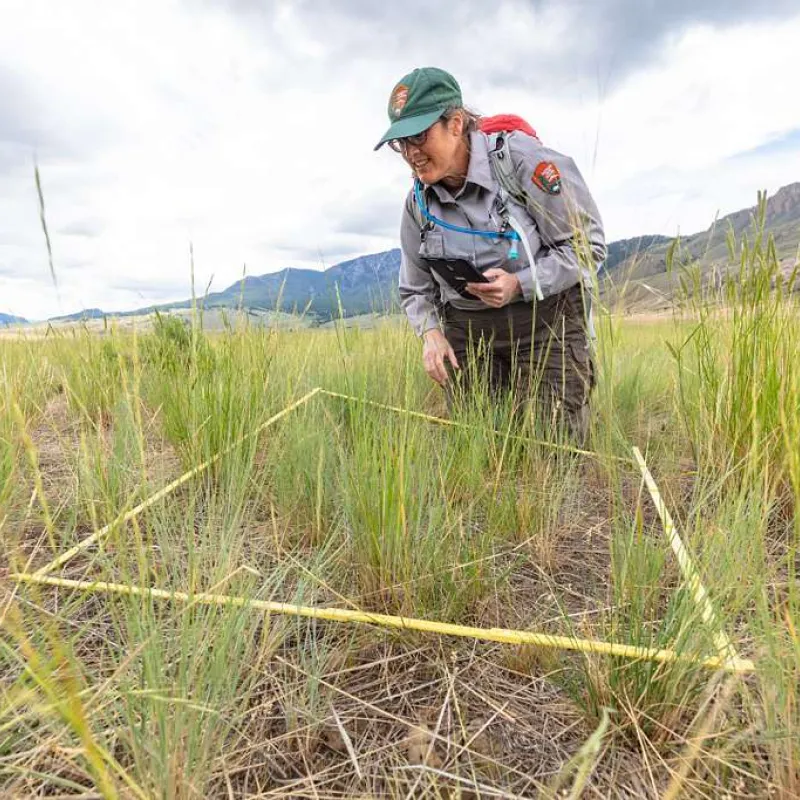
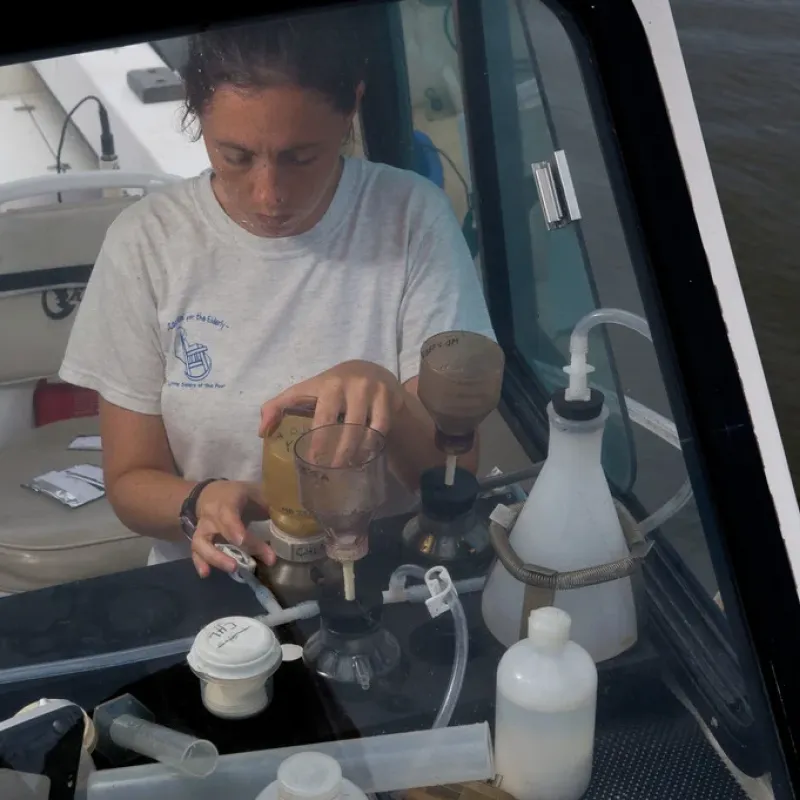
Soil scientists study the chemical, physical and biological properties of soils. They research anything from global topics like climate change or acid rain to local issues like well contamination. Soil scientists work in a variety of environments: labs, offices and the field. In the field, they collect soil samples and survey the environment. They then take the information and samples to the lab, where they test the soil for quality and look for solutions. Once testing is done, they work in offices, writing up research findings.
“Most soil scientists would tell you they chose this profession because they liked the combination of field and laboratory work,” says soil scientist Ivan Fernandez.
Work Takes Place
Skills
Career Categories
Protecting the Natural World Investigating the Environment
Potential Employers
Federal government agencies such as the Natural Resources Conservation Service, Bureau of Land Management, Army Corps of Engineers and U.S. Environmental Protection Agency.
State Environmental Agencies
Local Soil and Water Conservation Districts
Environmental Consulting Firms
Agricultural Companies
Related Blog Posts
Related Opportunities
Douglas County Conservation District
Franktown, CO
Protecting the Natural World, Investigating the Environment, Designing & Building Sustainably, Shaping Policy
Recreational Experiences, Stewardship Experiences, Summer Camps, Volunteer Positions
Growing Gardens
BOULDER, CO
Protecting the Natural World, Connecting People with Nature, Investigating the Environment, Designing & Building Sustainably
Stewardship Experiences, Summer Camps, Volunteer Positions, Unpaid Internships, Paid internships, Seasonal Jobs
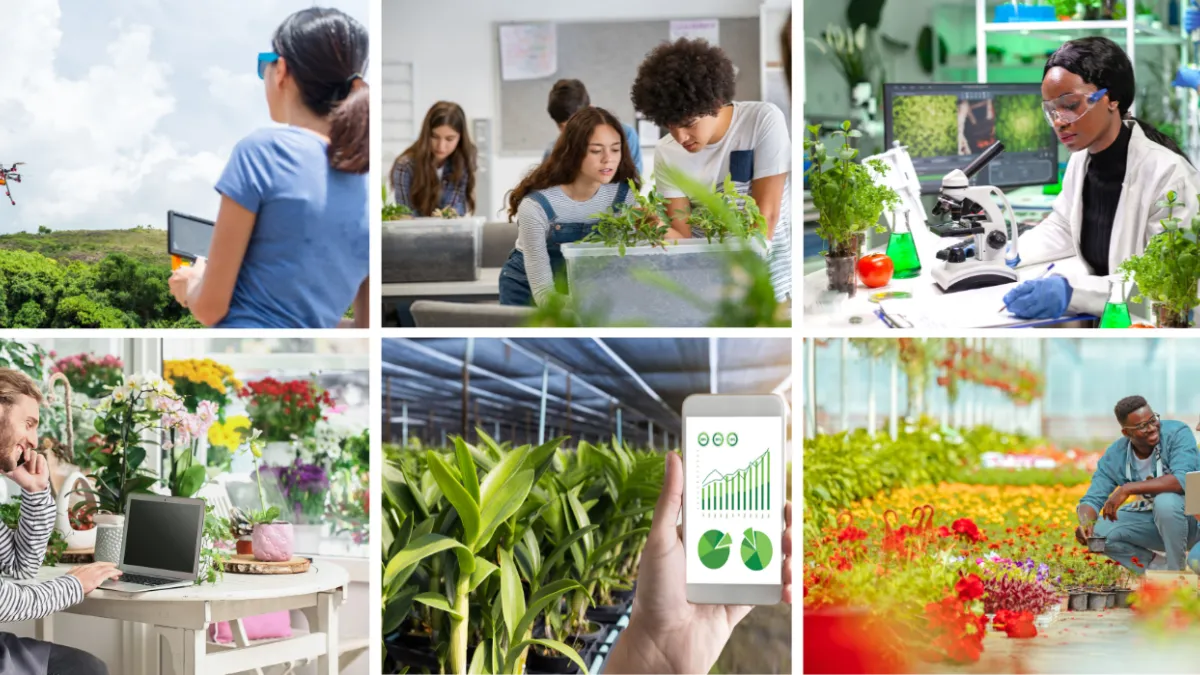

Seed Your Future
Alexandria, VA
Protecting the Natural World, Connecting People with Nature, Investigating the Environment, Designing & Building Sustainably, Shaping Policy, Bringing Green to Any Career
Learning Experiences, Volunteer Positions, Unpaid Internships
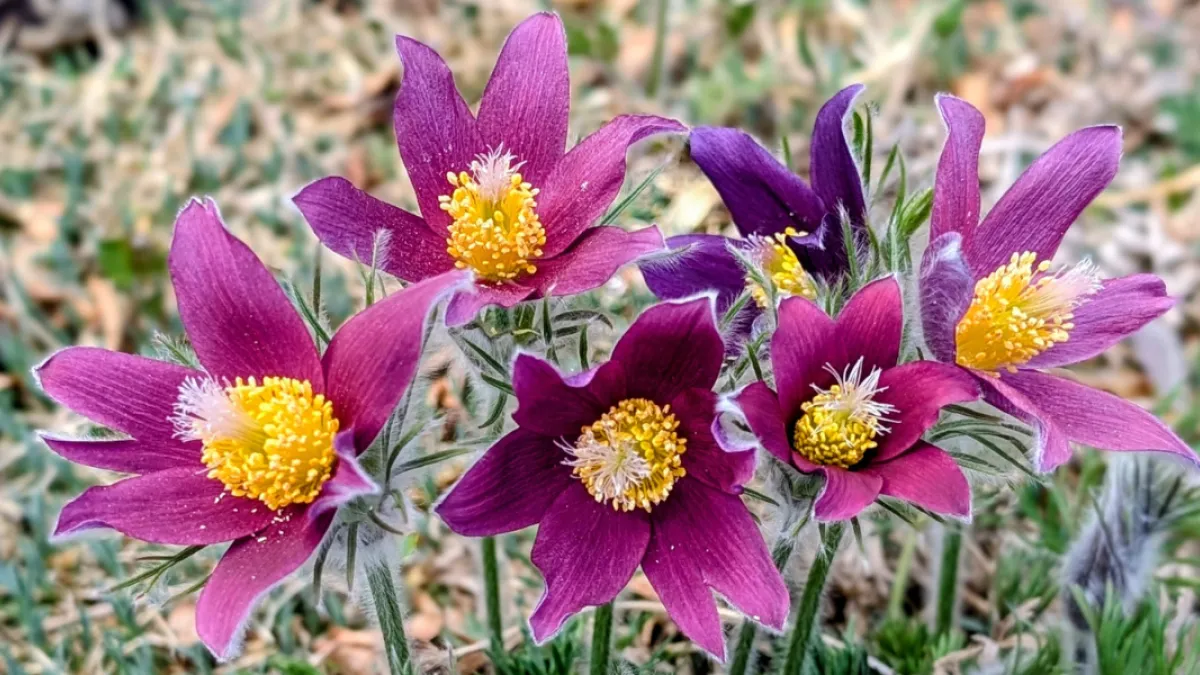
The Gardens on Spring Creek
Fort Collins, CO
Protecting the Natural World, Connecting People with Nature, Investigating the Environment, Designing & Building Sustainably
Learning Experiences, Recreational Experiences, Stewardship Experiences, Summer Camps, Volunteer Positions, Unpaid Internships, Paid internships, Seasonal Jobs
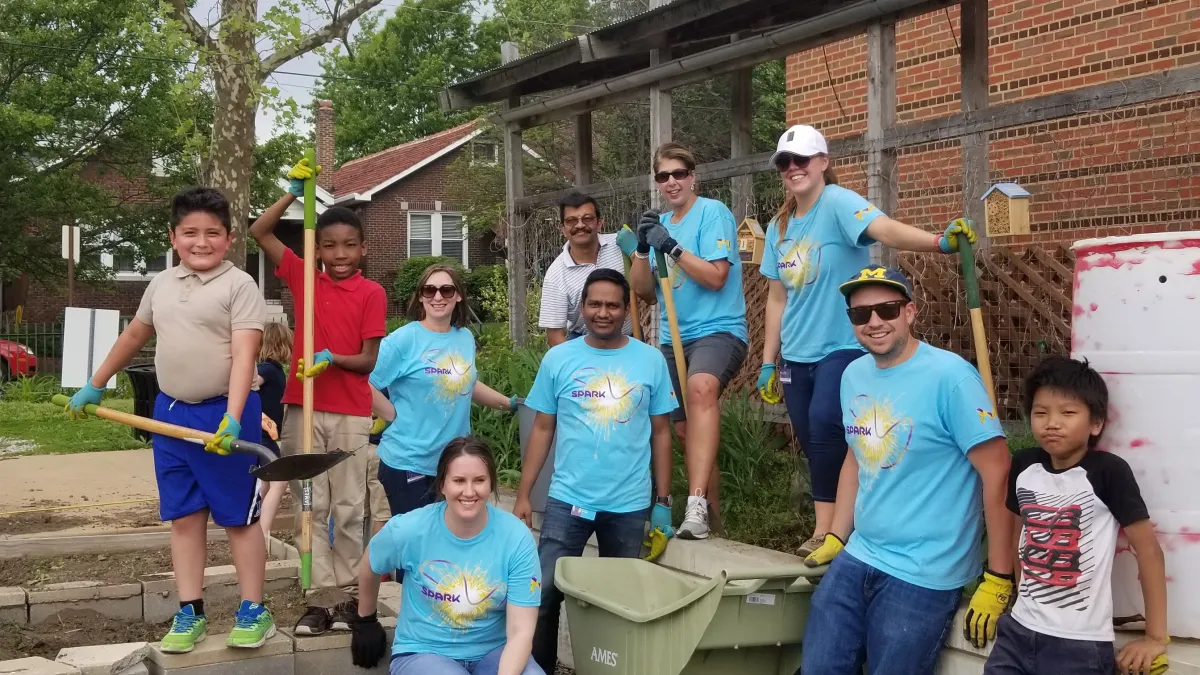
Volunteer at a Community Garden with Seed St. Louis
Saint Louis, MO
Protecting the Natural World, Connecting People with Nature, Designing & Building Sustainably
Clubs, Seal of Climate Literacy Project, Learning Experiences, Recreational Experiences, Stewardship Experiences, Summer Camps, Volunteer Positions