
Wildland Firefighter
There are many different types of wildland firefighters. Some firefighters focus on responding to emergent fires while others become part of larger crews that work across the country suppressing major wildfires. Wildland firefighters may serve on hand crews, engine crews, or helitack crews, depending on their training and assignment. During the off-season, they assist with fuel management, prescribed burns, training, and equipment maintenance, contributing year-round to wildfire prevention and forest health. Their work is physically demanding and requires teamwork, quick decision-making, and a strong understanding of fire behavior.
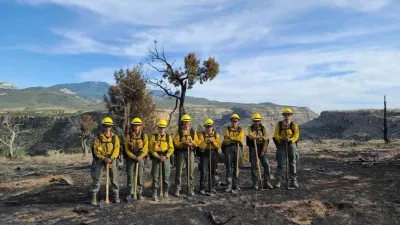
A Day in the Job
Every day is different depending on the exact job, the season and location. For most, wildland firefighting is a seasonal, or temporary job. For others, wildland firefighting is a full time job.
Whichever the case, during fire season, wildland firefighters respond to fire incidents, use hand tools and hoses to build fire lines, dig trenches, and remove vegetation to stop flames from spreading. They work long hours outdoors often in challenging terrain and extreme heat during this season. In some cases, firefighters camp for days or weeks with the rest of their crew near the fire line.
In the off-season, wildland firefighters have more regular work hours during which they may assist with prescribed burns, fire prevention education, and forest management projects.
Work Takes Place
Skills
Qualifications
Basic Firefighter Training (Wildland Fire Training)
Incident Qualification Card (a.k.a. “red card”)
Potential Employers
Federal Agencies
State Agencies
Local Agencies
A Day in the Life
Meet a Wildland Firefighter
What if your future career challenged you physically and mentally, gave you opportunities to travel and work in incredible places, and allowed you to protect communities and natural landscapes when they need help the most? Kent Maxwell, founder of Colorado Firecamp, shares how a volunteer firefighter experience at age 20 completely changed the direction of his life and eventually led him to create a nationally recognized wildland firefighter training program. Learn more about Kent's career journey and what it's like to be a Wildland Firefighter in his presentation at the Green Pathways: Careers That Matter event in 2026.
Related Blog Posts
Related Opportunities
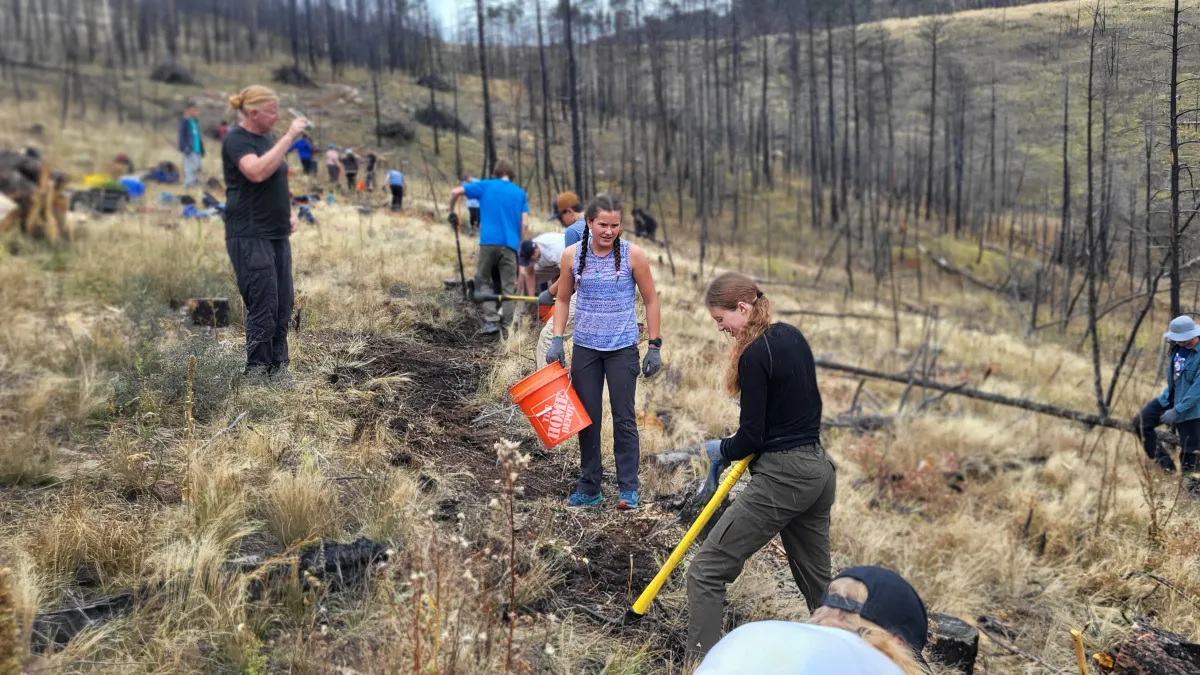
Rocky Mountain Youth Corps: outdoor leadership through conservation
Steamboat Springs, CO
Protecting the Natural World, Connecting People with Nature
Learning Experiences, Recreational Experiences, Stewardship Experiences, Volunteer Positions, Seasonal Jobs
Youth Exploring Stewardship Coalition
Longmont, CO
Protecting the Natural World, Connecting People with Nature, Investigating the Environment, Designing & Building Sustainably
Seal of Climate Literacy Project, Learning Experiences, Recreational Experiences, Stewardship Experiences, Summer Camps, Volunteer Positions, Unpaid Internships, Paid internships, Seasonal Jobs